Author Archives: Iowa Life

Unknown's avatar

About Iowa Life

Experiencing life in Iowa.

Blue Skies

(Willie Nelson’s Stardust album, which I discovered once again 40 years late, highlights in rather dramatic fashion, the deplorable state of today’s music industry.) From Wikipedia:

“Stardust is the twenty-second studio album by Willie Nelson, released in 1978. Its ten songs consist entirely of pop standards that Nelson picked from among his favorites. Nelson asked Booker T. Jones, who was his neighbor in Malibu at the time, to arrange a version of “Moonlight in Vermont”. Impressed with Jones’s work, Nelson asked him to produce the entire album. Nelson’s decision to record such well-known tracks was controversial among Columbia executives because he had distinguished himself in the outlaw country genre. Recording of the album took only ten days.

Released in April, Stardust was met with high sales and near-universal positive reviews. It peaked at number one in Billboard’s Top Country Albums. The singles “Blue Skies” and “All of Me” peaked respectively at numbers one and three in Billboard’s Hot Country Singles. In 1979, Nelson won a Grammy Award for Best Male Country Vocal Performance for the song “Georgia on My Mind”. Stardust was on the Billboard’s Country Album charts for ten years—from its release until 1988.

In 1984, when it was certified triple platinum, Nelson was the highest-grossing concert act in the United States. By 1977, Nelson had decided to record a collection of American pop standards. During that time, Nelson was living in the same neighborhood in Malibu as producer Booker T. Jones. The two became friends, and Nelson asked Jones to arrange “Moonlight in Vermont”. Pleased by the results, Nelson later asked Jones to produce an entire standards album for him. Nelson selected his ten favorite pop songs from his childhood, starting with “Stardust”. Nelson and his sister Bobbie had sheet music for the song that he had tried to perform with his guitar, but did not like that arrangement. Jones adapted the song for Nelson, who also picked for the album “Georgia on My Mind”, “Blue Skies”, “All of Me”, “Unchained Melody”, “September Song”, “On the Sunny Side of the Street”, “Moonlight in Vermont”, “Don’t Get Around Much Anymore” and “Someone to Watch Over Me”.

The executives of Columbia Records were not convinced that the album would sell well, because the project was a radical departure from his earlier success in the outlaw movement. The album included pop, jazz and folk music styles, in addition to country. It was recorded from December 3–12, 1977.” (Not bad for an album Columbia executives didn’t want to make.)
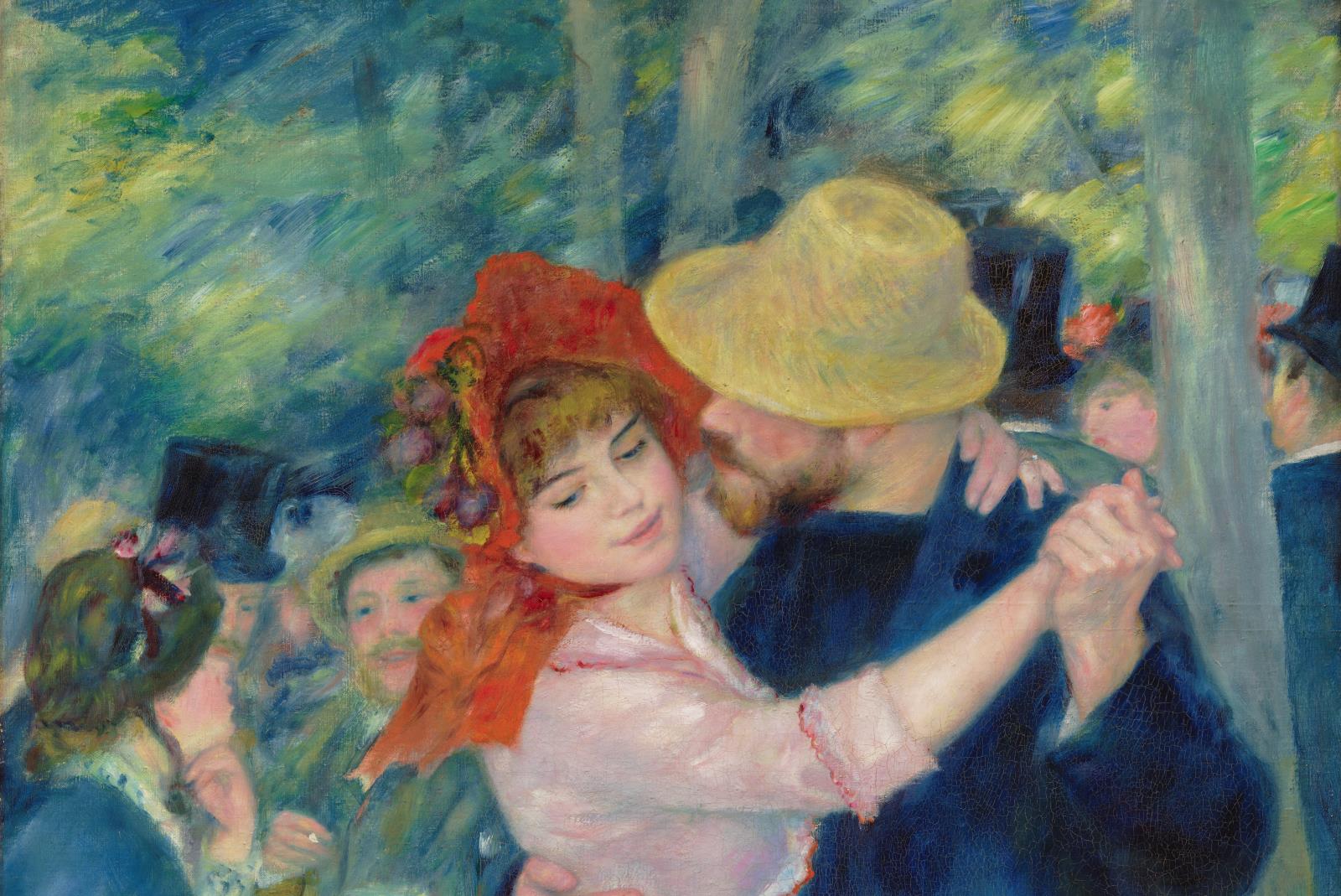
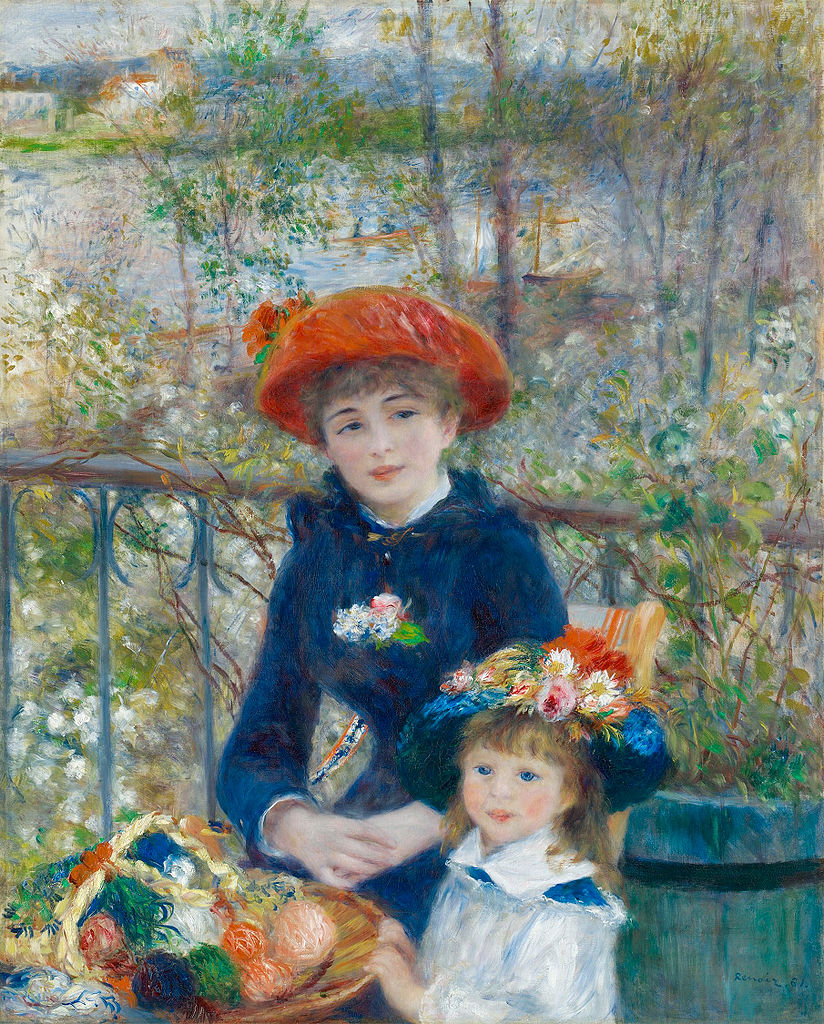
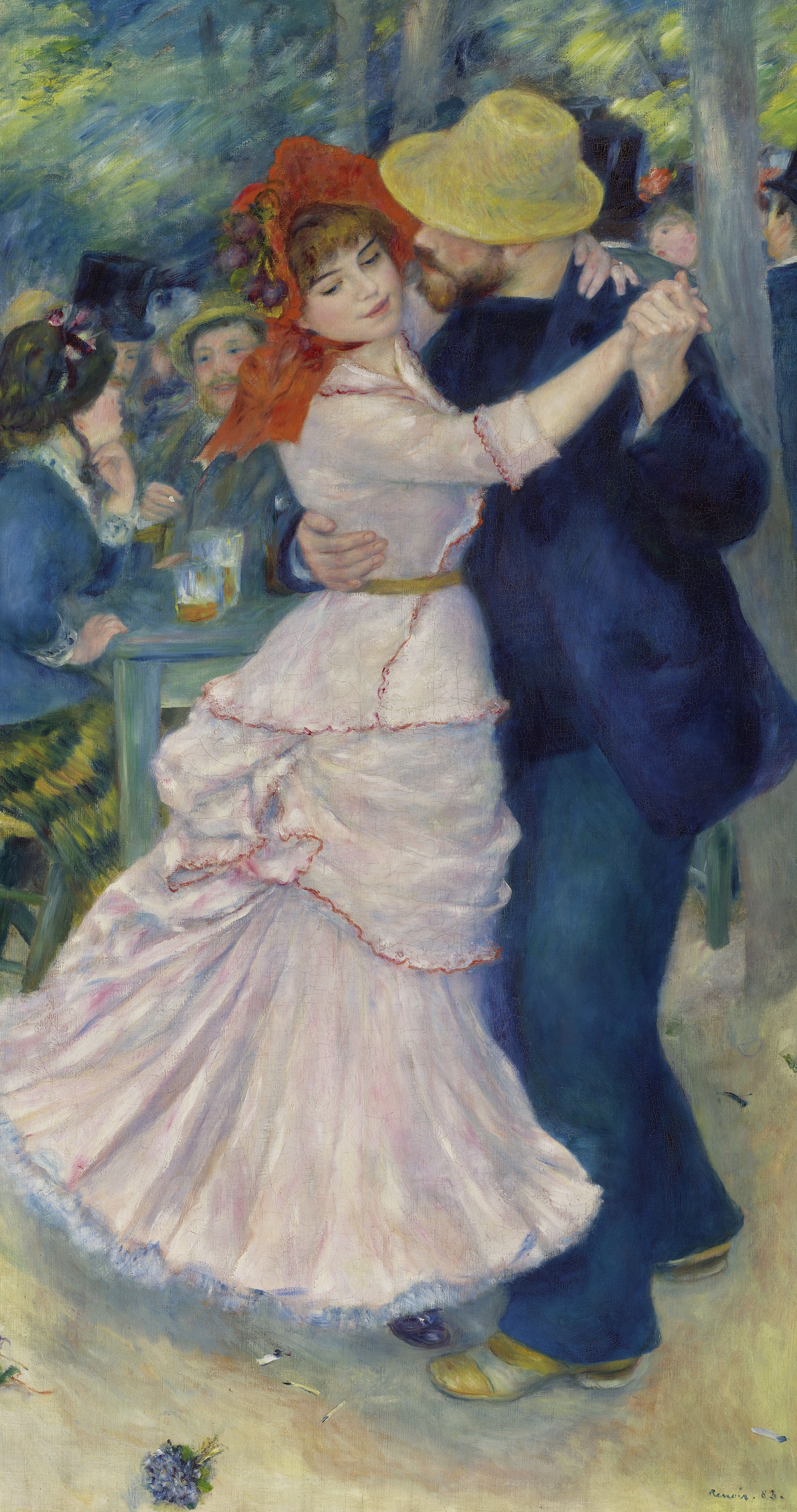
Pierre-Auguste Renoir


Dance at Bougival

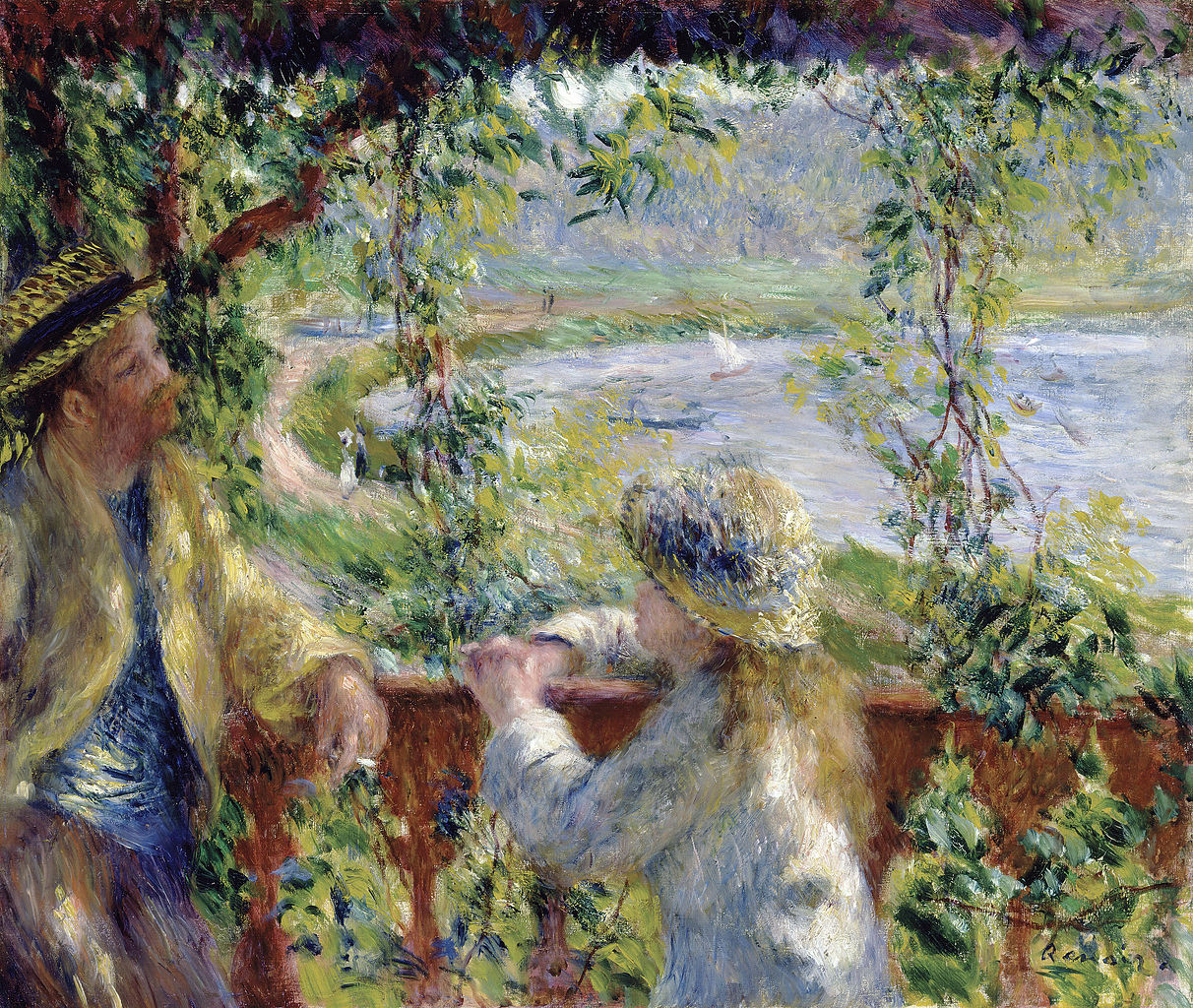
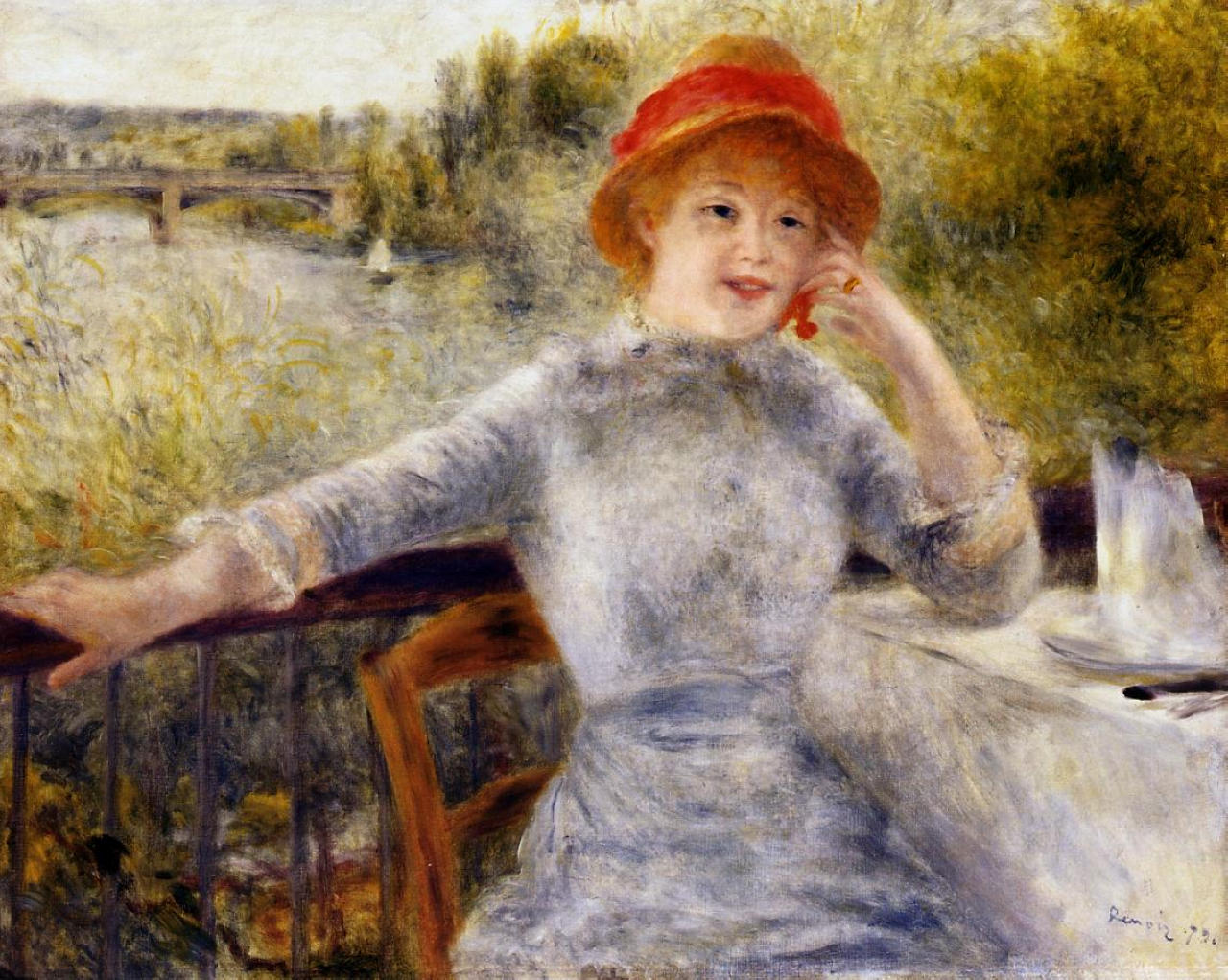
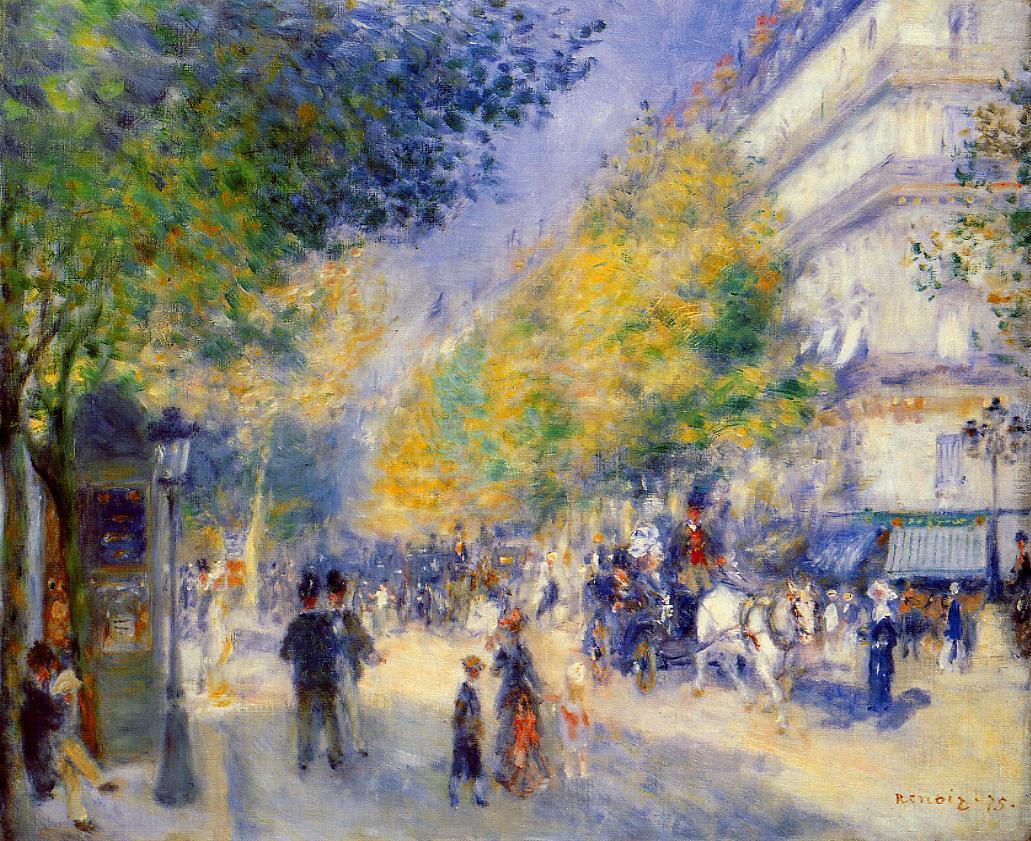
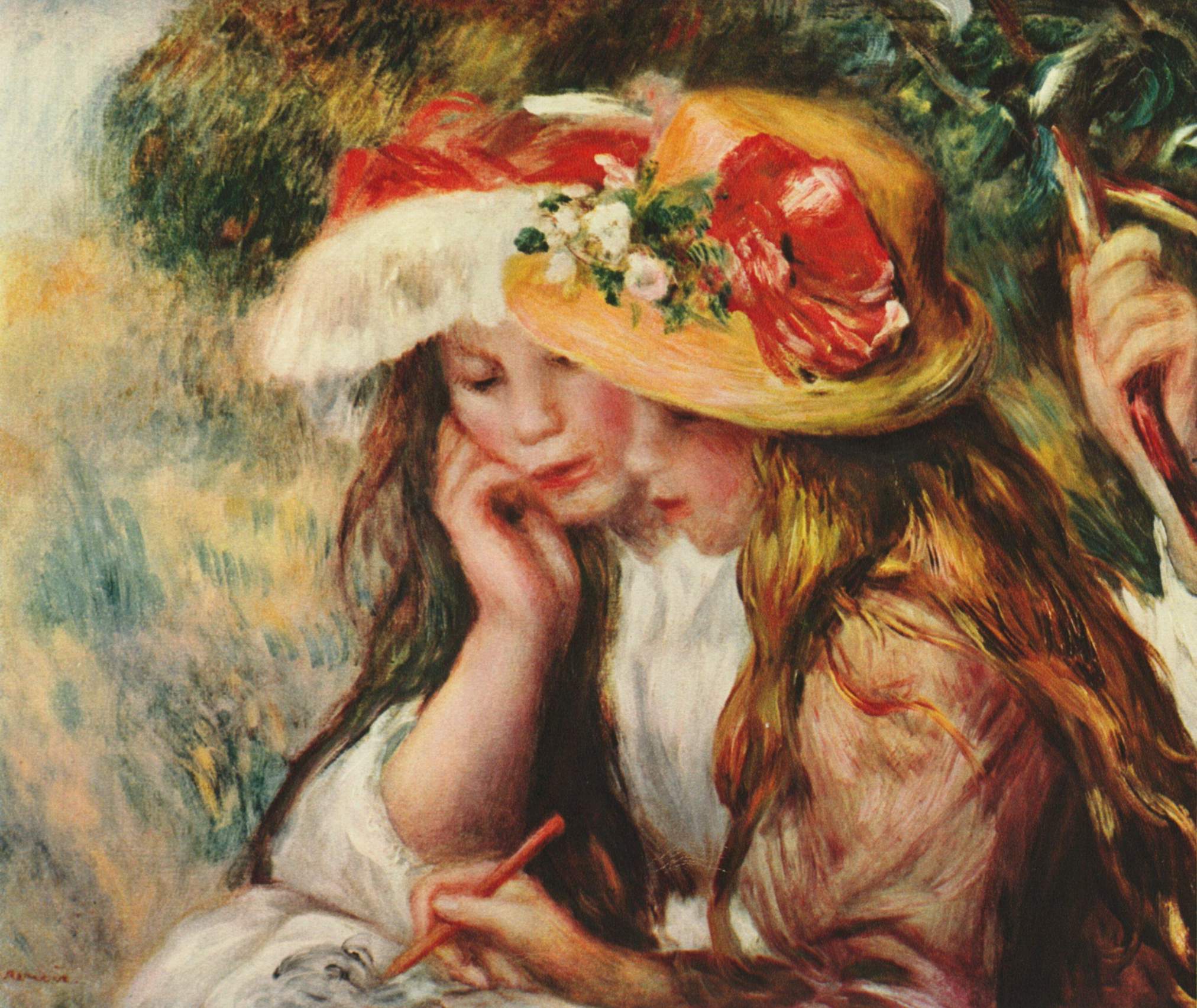
Or ‘Frenchy’ as his friends called him. I like him because he could do people. So many “painters” today just do boring old landscapes devoid of life, like that dead guy on PBS. Its hard for a painting to tell a story without people or animals. The other thing I liked about Renoir was he often used red to set off his main subject. I like red. The other thing he did was introduce me to someone he studied, Titian (Tiziano Vecelli or Vecellio. That guy was a painter too, I tell you what). I read Renoir was a soldier in a war with Germany in 1870 along with his friend Frédéric Bazille. A very important war, I’m sure. You remember what it was about don’t you? Why those young men died? Well Renoir survived. Bazille didn’t. Almost makes you wonder what never got painted by the young Bazille. What might he have painted if he had lived another 40 years?

Pierre-Auguste Renoir Tutt’Art@

Is it better? Or worse?

Sometimes I don’t think people see too clearly. That’s not good when certain major aspects of a society have gone off the rails for several generations now. Corporate America has had things tilted in their favor so long no one sees how out of kilter they are. Drug prices are 10 – 50 times what they are in Mexico because our big pharma lobbyists (the single largest lobbying concern) have paid Congress to make it that way. Years ago I did a post based on an USA Today article from 2013 showing how roughly 546 people in the world owned 50% of the wealth.
That figure has now shrunk to the 8 richest people. That’s nuts. I’m not arguing against a free market, I’m arguing for one. I don’t think we have a free market, I think we have a slave market. I’m suggesting government and business have colluded to put labor at a severe disadvantage. I’m suggesting the working man has the deck stacked against him. I mean for God’s sake, that’s why K Street exists, to buy an advantage. They don’t give billions each year to Congress because they like them, they expect something. A bang for their buck.

In 1955 the median income for the typical worker was around $4,418. Forbes says the typical CEO made 20 times what the worker did in 1955. I’ve also seen 30:1 thrown out a few times as a common ratio in the 1950s, but 20:1 seems the majority of opinion. Using that ratio (20:1) and rounding up the worker salary to $5,000, that puts the average CEO in the 1950s making $100,000. Using an inflation calculator, that puts a typical annual salary today at $47,425. CEO pay adjusted for inflation would be $948,514.

While $47K is a typical good salary today, $950K is not even close to what a CEO makes. $12.1 – $14.3 million is a common quoted figure for CEO salary. CNBC has it at $15.5 million a year. That doesn’t begin to cover all the angles. That’s where a more accurate “compensation package” figure comes in. One that includes retirement, life insurance, stock options, incentives and a host of other items. These same sites all seem to agree 300 times is what a CEO now makes compared to the line worker. 300 x. In the 1950s it was 20 x.

There are a couple of other factors that further prove the point. In the 1950s corporation paid dividends to shareholders. Historically this was 4% to 6%. Companies don’t pay dividends for the most part nowadays. The few that do think they’re doing us a big favor with 1.5% to 2%. The average for the ones who do on the S&P 500 being 1.5%. People are being played for fools. Its not a Left/Right thing, its both.

My main beef with people is they have been swallowing the ‘company’ line for so long they believe the crap they’re being told. Perhaps the best figure I’ve come up with is the one for the rarified atmosphere of the top CEOs, $300,000,000. That 1 salary split up would  take 60,000,000 minimum wage workers from $7.25 an hour to $12.25. Taking them from a minimum wage to a living wage. 1 man.

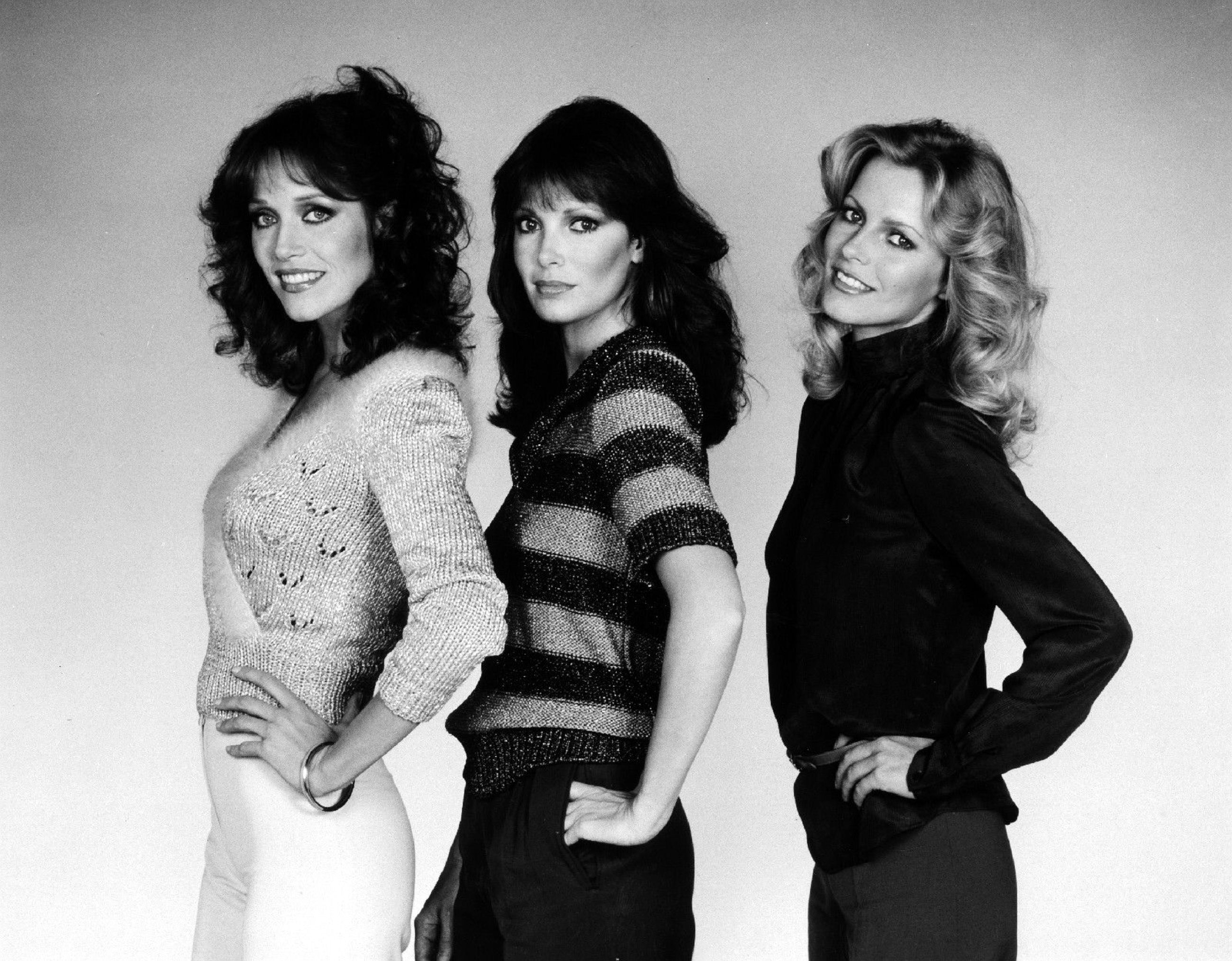
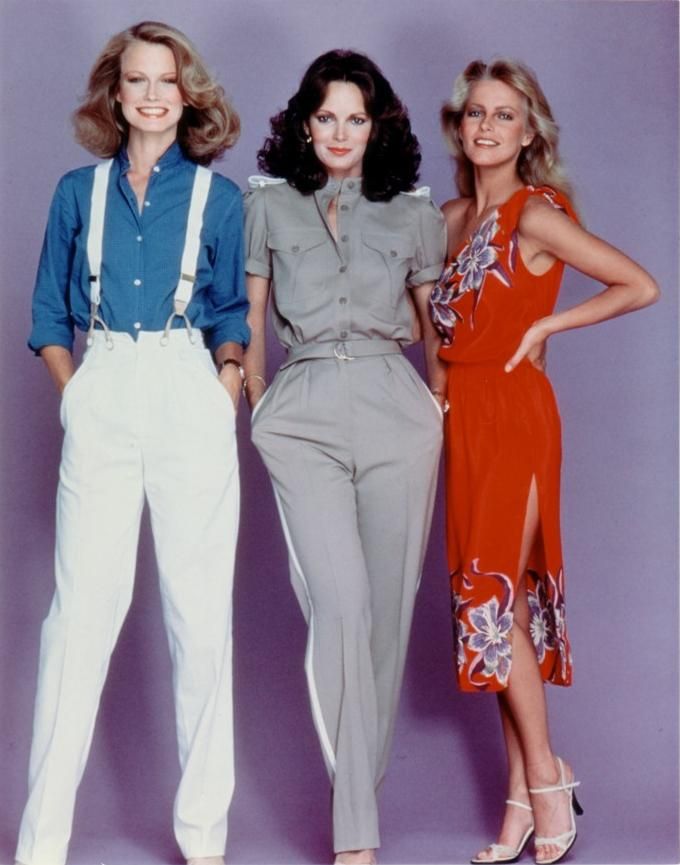
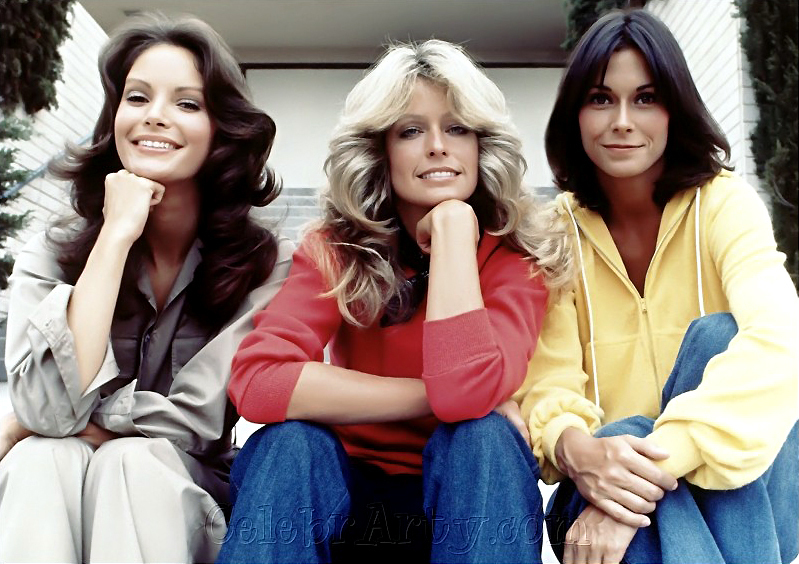
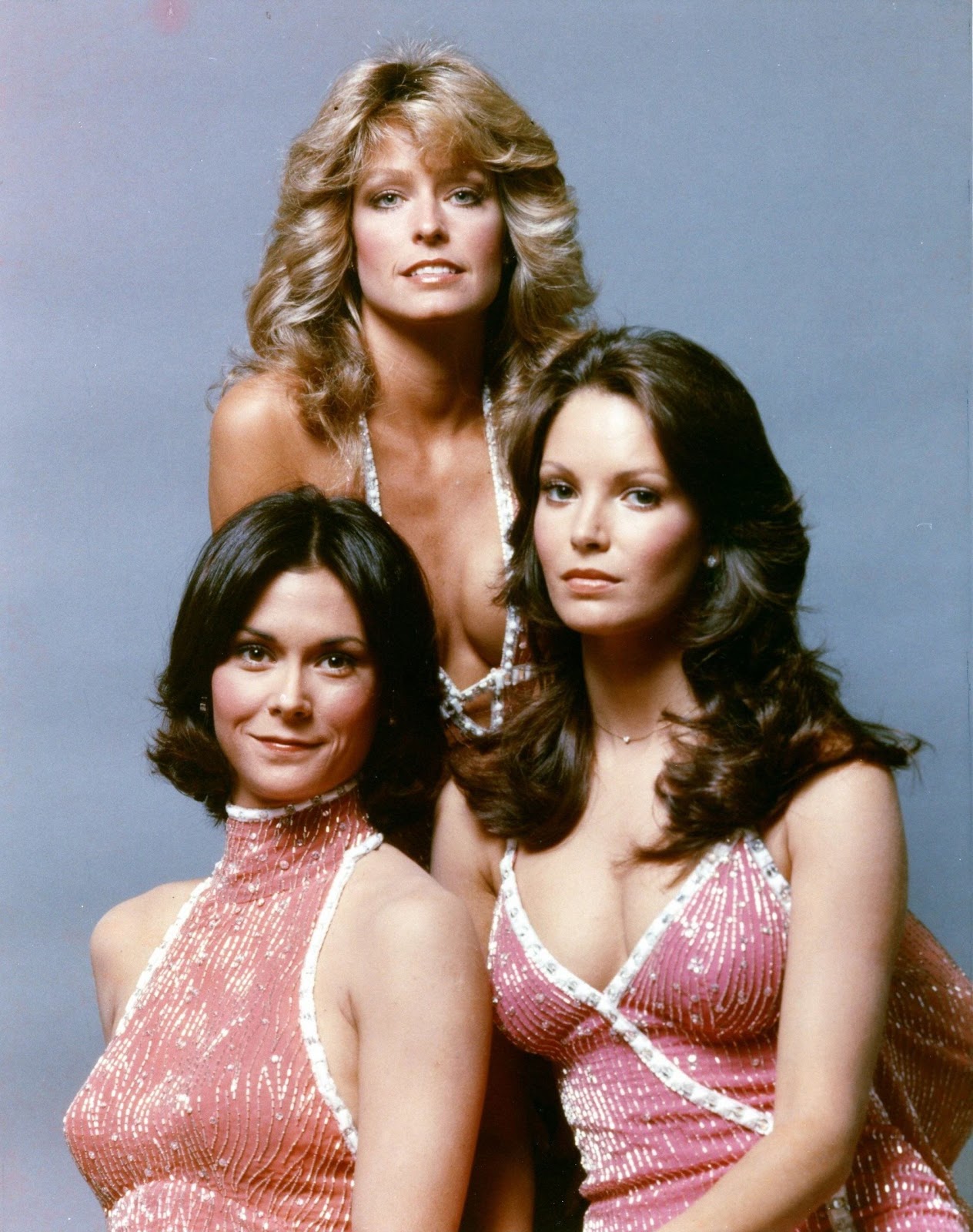
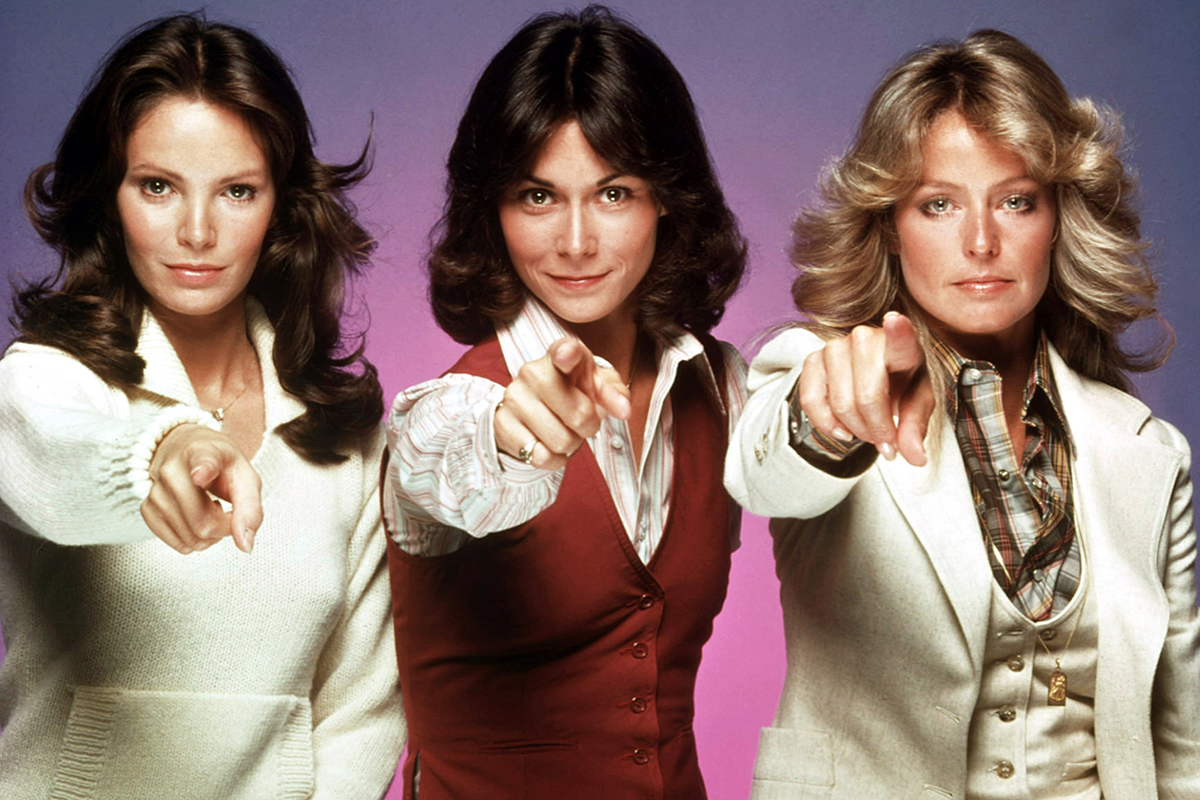
Various Charlie’s Angels lineups… and the winner is!

From Wikipedia: “Charlie’s Angels was an American crime drama television series that aired on ABC from September 22, 1976 to June 24, 1981, producing five seasons and 110 episodes. The series was created by Ivan Goff and Ben Roberts and was produced by Aaron Spelling.
Starring: Kate Jackson, Farrah Fawcett, Jaclyn Smith, Cheryl Ladd, Shelley Hack, Tanya Roberts, David Doyle.” [Good grief men! This is the original Charlie’s Angels, not those cheap imitations. Sign in, tell us your favorites and why in the comments section! You don’t have to use your full name. My favorite was Shelley Hack. Followed in a close second by Farrah. Then Cheryl Ladd (she seemed so nice). See how easy that was?) Did you like how Wikipedia with a straight face called it a ‘crime drama’? No it wasn’t! It was a jiggle show for men! And we loved it! 


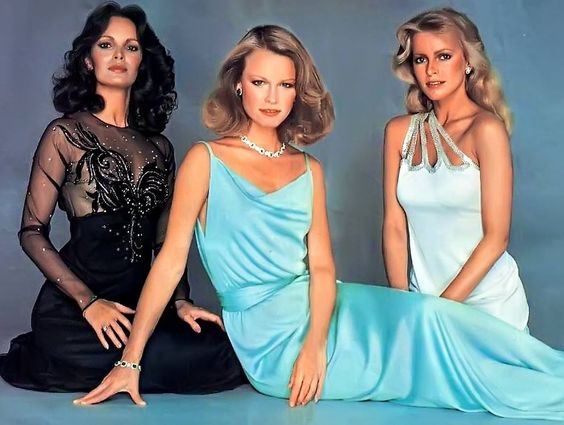
Numero uno: Jaclyn Smith, Shelley Hack and Cheryl Ladd! (2 blondes do make a right!)

This was done in a complete spirit of jest of course. As someone growing up in that time, they were all 6 fun, nice and wonderfully entertaining women that made television great again! The group I chose was just… something else.

DEAR March, come in!

DEAR March, come in!
How glad I am!
I looked for you before.
Put down your hat—
You must have walked—
How out of breath you are!
Dear March, how are you?
And the rest?
Did you leave Nature well?
Oh, March, come right upstairs with me,
I have so much to tell!

I got your letter, and the bird’s;
The maples never knew
That you were coming,—I declare,
How red their faces grew!
But, March, forgive me—
And all those hills
You left for me to hue;
There was no purple suitable,
You took it all with you.

Who knocks? That April!
Lock the door!
I will not be pursued!
He stayed away a year, to call
When I am occupied.
But trifles look so trivial
As soon as you have come,
That blame is just as dear as praise
And praise as mere as blame.

Beaver, the Caddy

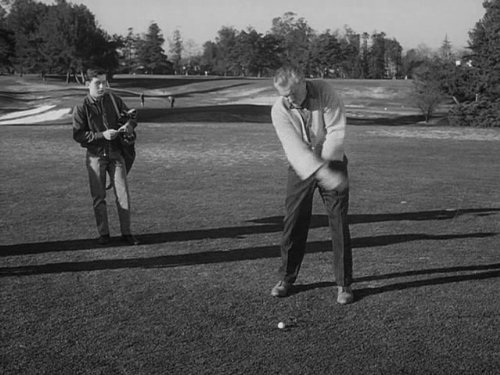
A wonderful episode of Leave it to Beaver was on the other morning where Beaver and Gilbert were caddying for 2 businessmen at the Mayfield Country Club. This was the final season and it really showed the growth of Theodore’s character. Mr. Langley is having Beaver shave strokes off his scorecard for what Beaver thinks is a $5 or so bet. His conscience bothers him enough for that, but really troubles him when he finds out he was party to fudging a $500 dollar bet!

Beaver decides to visit the businessman later at his office and tells Mr. Langley what’s bothering him. Mr. Langley sees what he has done by not being a good role model, straight and true. He thinks for a moment, and then asks Beaver to be his caddy one more time, he thinks he knows a way to set things right. He and Mr. Howard play again and this time he makes sure he loses so that the $500 is returned to Mr. Howard. All is right with the world and Mr. Langley does the right thing and does his part to affirm how important it is to do the right thing as a man.

It was such a well done episode it got me to thinking. During the time the show ran (1957 – 1963), Hollywood was all about honor, the ‘code of the west’, doing the right thing and adults as role models. That time period was especially full of westerns. A  child then learned when you fought, you fought fair, you didn’t shoot people in the back, and your handshake was better than a piece of paper. It showed why America was better than the rest of the world. Character.

A boy could learn a lot about being a man by watching the Lone Ranger and Roy Rogers. Try that watching today’s TV. Let me know how that works out.

In just a few years in the late 60’s, things went south. Westerns became filled with these “anti-heroes”, the Lone Ranger and Roy Rogers were gone. Hollywood embraced degenerates like Sergio Leone, Martin Scorsese, Quentin Tarantino and others that would shoot kids and harm women. That was unthinkable before, even the most evil of villain had a line he wouldn’t cross. Not anymore.

50’s and early 60’s television and movies really showed how Hollywood back then was interested in supporting the family, building character and being an asset to society. Something changed. In less than a decade good became square. Wholesome became sappy. Christians became bigots. Doing the right thing was for suckers. Wise, sensible and responsible husbands and fathers like Ward Cleaver became non-existent on the big or little screen. Every father became a fool, an idiot and a bumbling buffoon.

Its like someone threw a switch and the culture war was on. The only thing I am sure is, is that America lost. The battle and the war.  For reasons that aren’t clear to me, Hollywood decided to stick a knife in decency. 


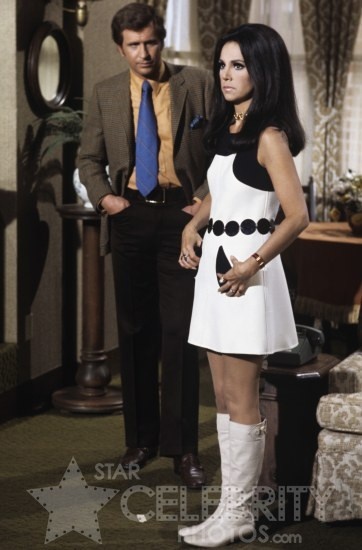
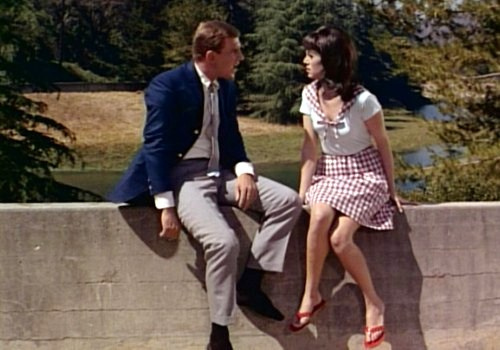
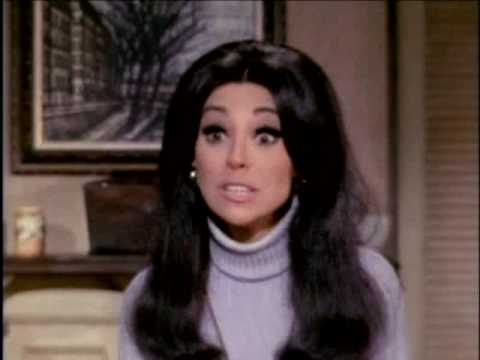
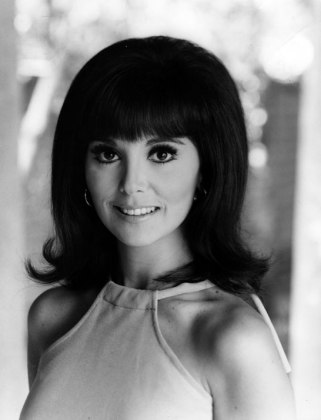
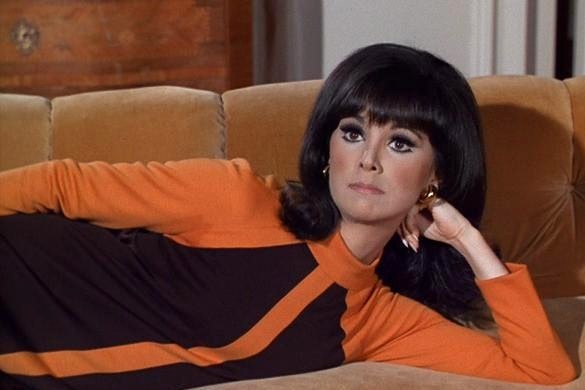
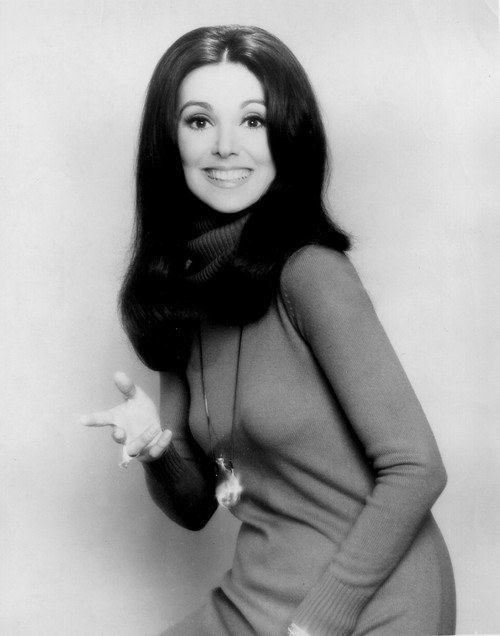
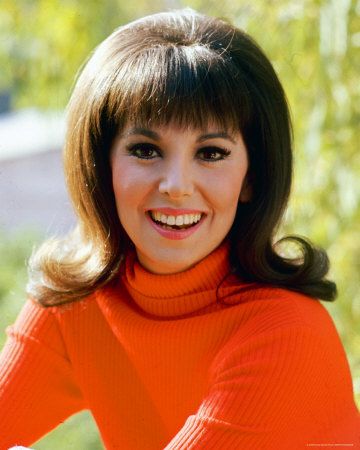
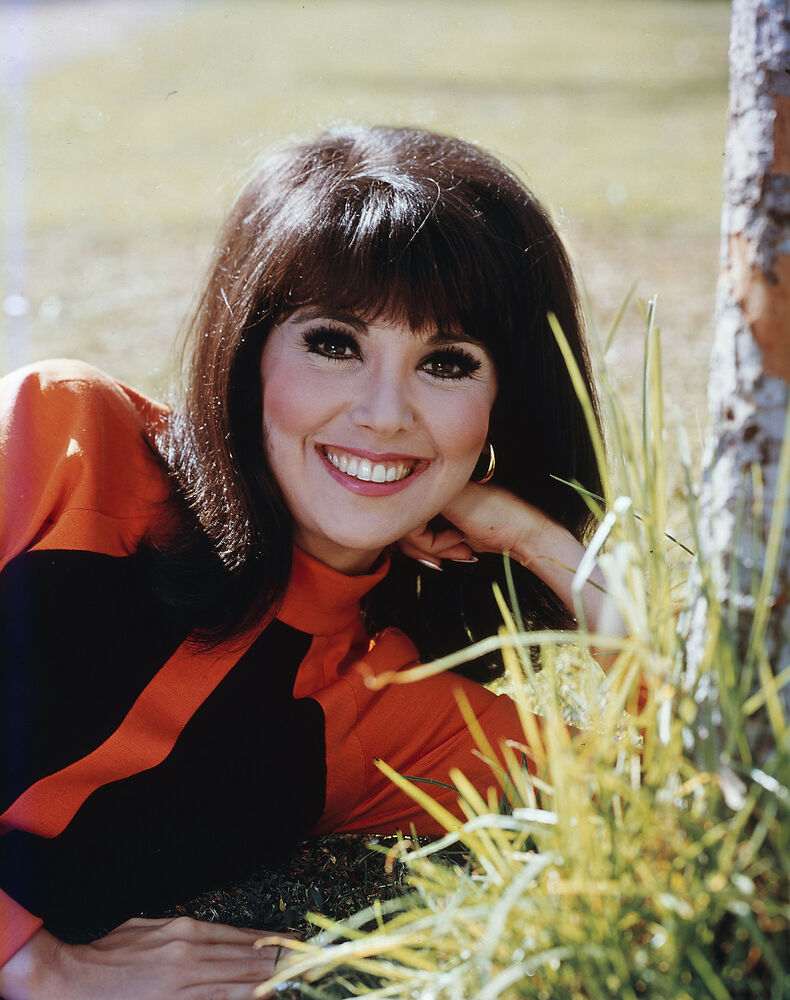
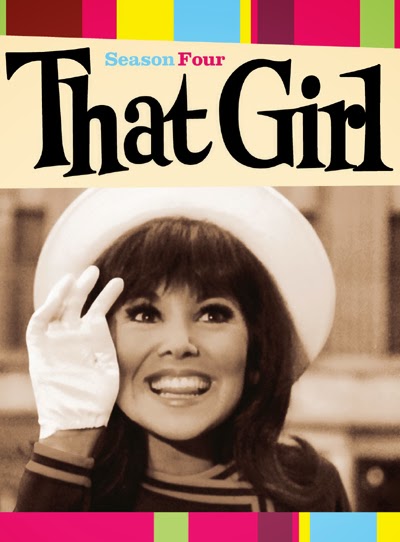
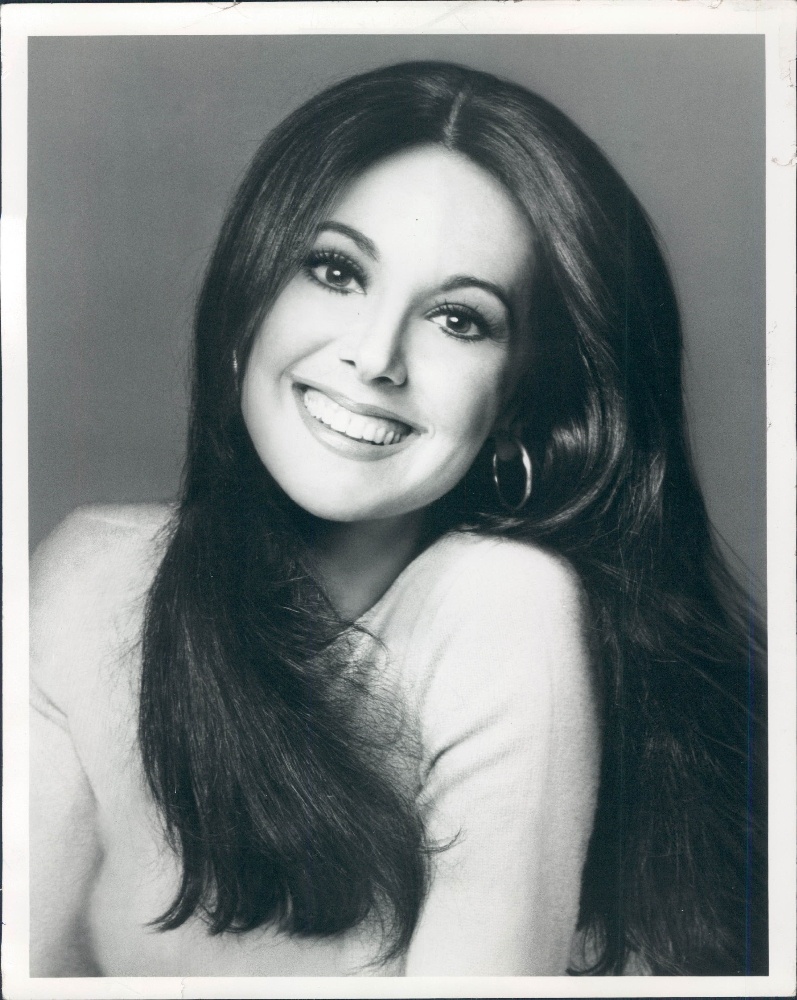
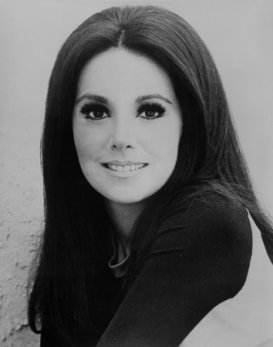
Marlo Thomas was ‘That Girl!’

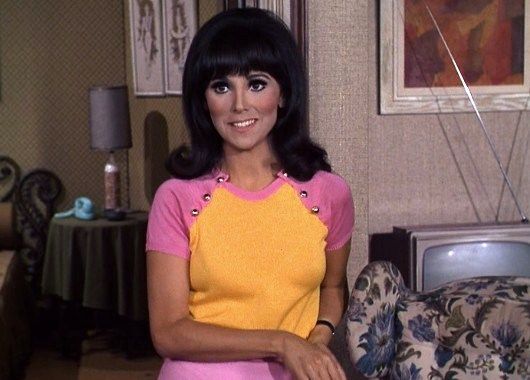
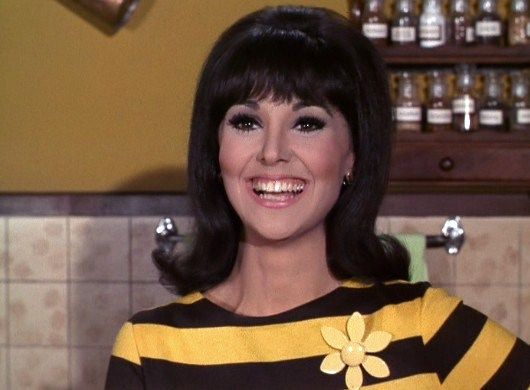
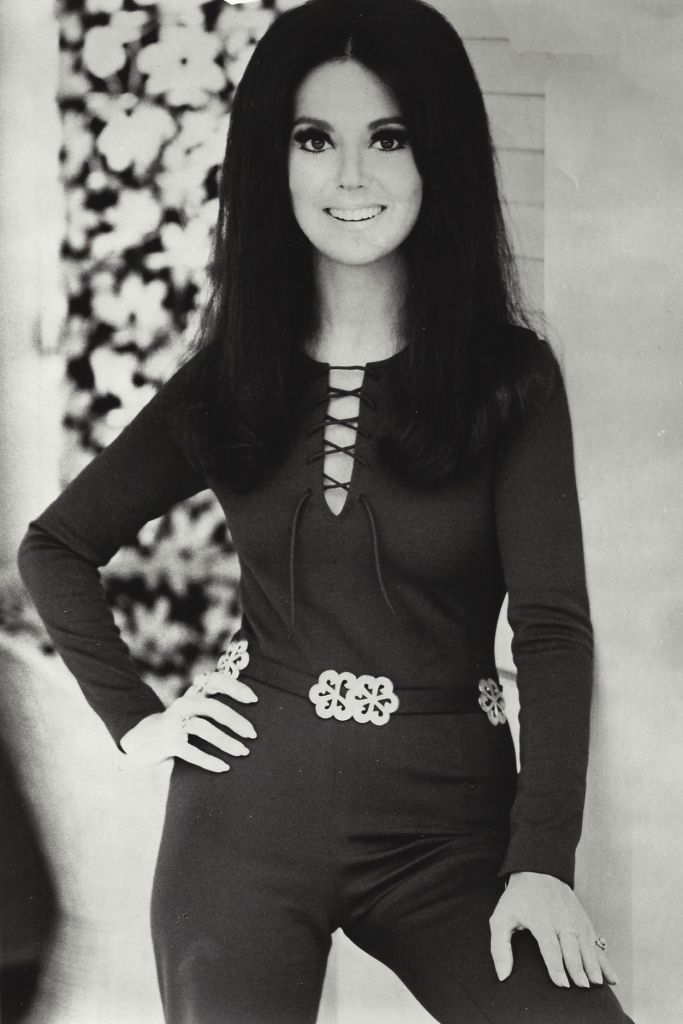
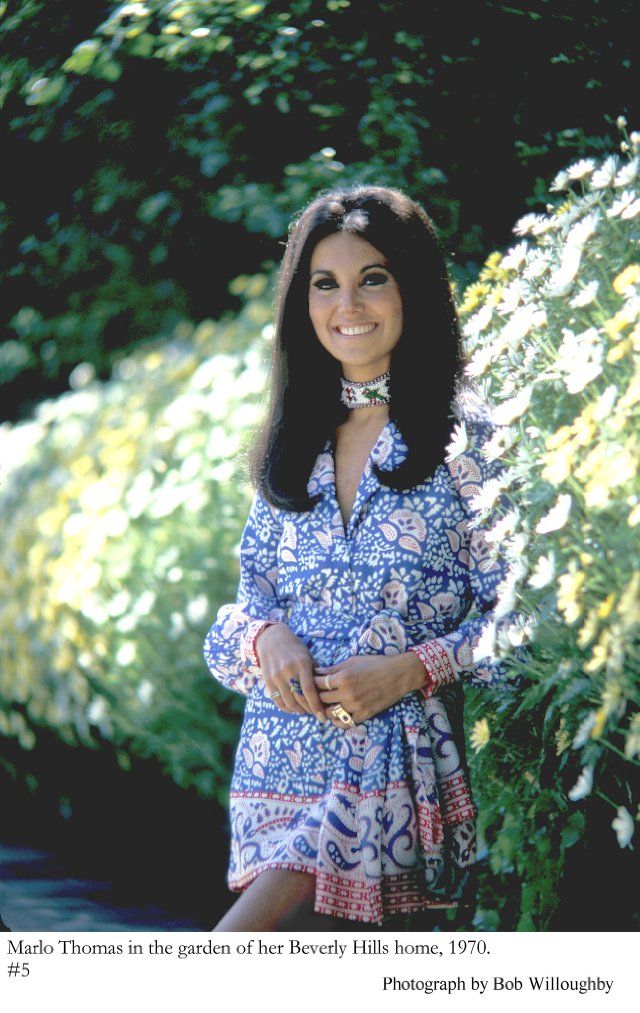
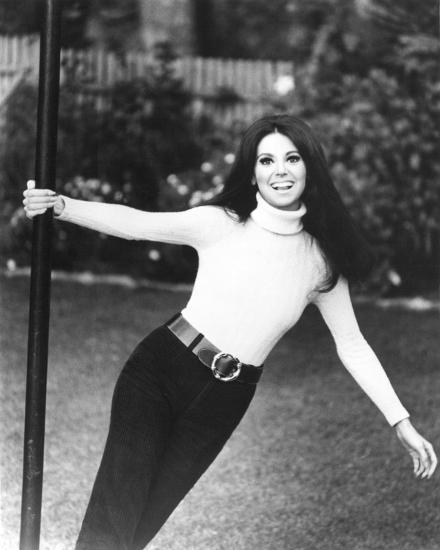
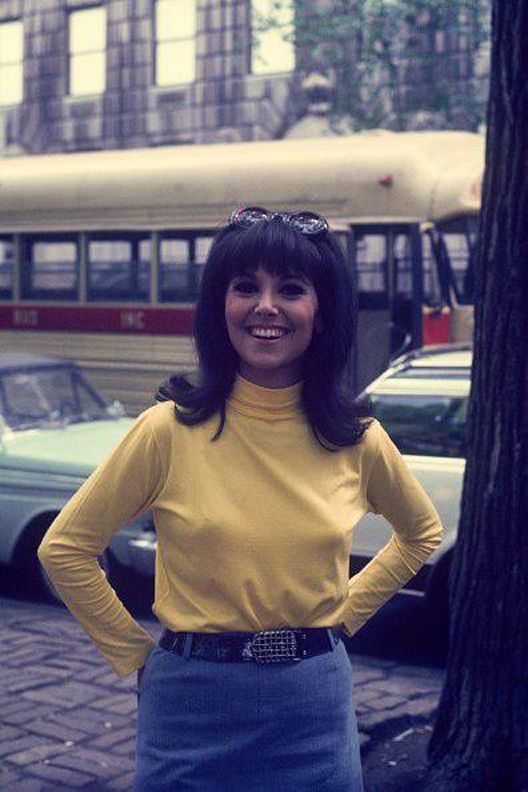
Marlo Thomas came to television at an interesting time. She was 29 when ‘That Girl!‘ started in 1966. That year was still sort of in what I call ‘old America’. Pre-revolution. TV was nice and simple, non-controversial. That’s the way shows were in 1966. Marlo Thomas, attractive to the max and always wonderfully dressed. She had a personality that was so endearing and this low raspy voice.

From IMDB: “Born in Detroit, Michigan on November 21, 1937, Marlo was christened Margaret Julia Thomas. Raised within the mad Beverly Hills whirl of the entertainment business as the daughter of show business legend Danny Thomas, she was initially dissuaded from an acting career and began a half-hearted adult life as a school teacher. Quickly switching to acting, however, Marlo began with early TV appearances in the late 1950’s on such series as “Dobie Gillis,” “77 Sunset Strip,” “Thriller” and “Zane Grey Theatre”. The [new] pilot was seen by ABC, and they had her tested for another sitcom lead and passed with flying colors. This one stuck did not fail. Audiences adored “That Girl” with the romantic entanglements and struggling ambition of Ann Marie, a single, independent and very trendy young lady in the real world as an actress wannabe. Marlo became an instant household name (as did co-star Ted Bessell) and earned a Golden Globe (“Best TV Star”) and four Emmy nominations during the five-year run of the groundbreaking show.”

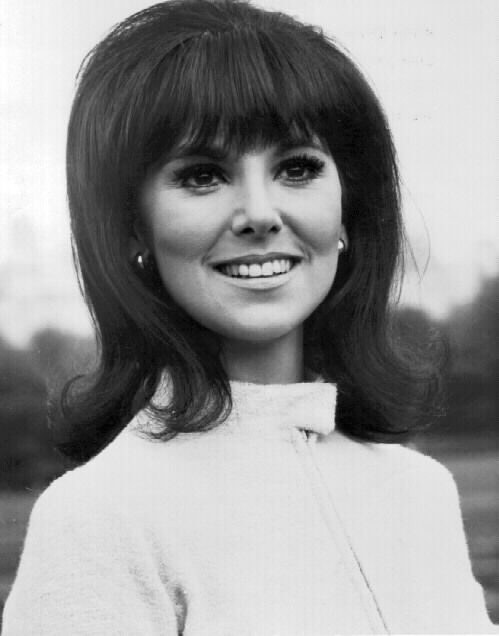
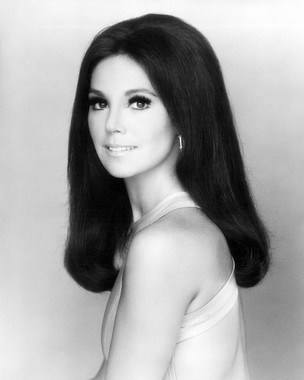
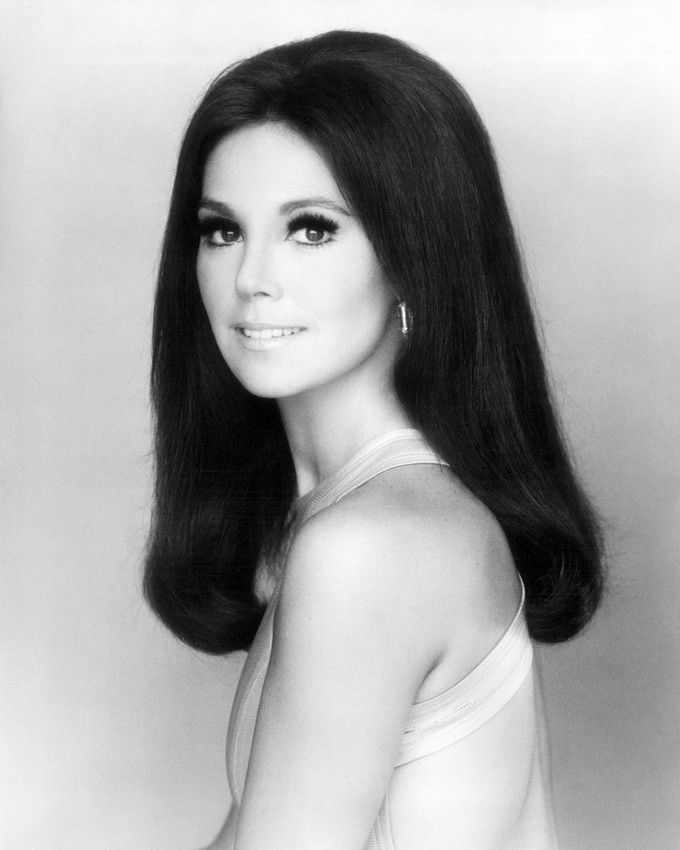
[More importantly I just discovered this very moment something vitally important. While Marlo looks ravishing in every picture, she looks even more stupendously scrumptious in the pictures without bangs! Her best pic is the B&W where she’s wearing the white sleeveless top about 7 rows down. I mention this simply as how funny it was as a new student of hers. She took my breath away in the early years of That Girl with bangs, its hard to describe when I saw her in the next stage of her evolution.]

266689bba09df4cdc1fd8385e17084d5

s-l1000

I just love watching the reruns for the clothes she wore. I swear she had the best fashion of any show back then. I’ll always wonder how much was due to her and how much was due to the designer for the show? Either way, the other thing I noticed later in life was the immense sex appeal she had. Strange how I missed it back then… she was sexy because she didn’t try to be sexy.

THAT is just a really great photo. You’ll notice its a photo of a photo. That’s a fav.

Very nice.