Author Archives: Iowa Life

Unknown's avatar

About Iowa Life

Experiencing life in Iowa.

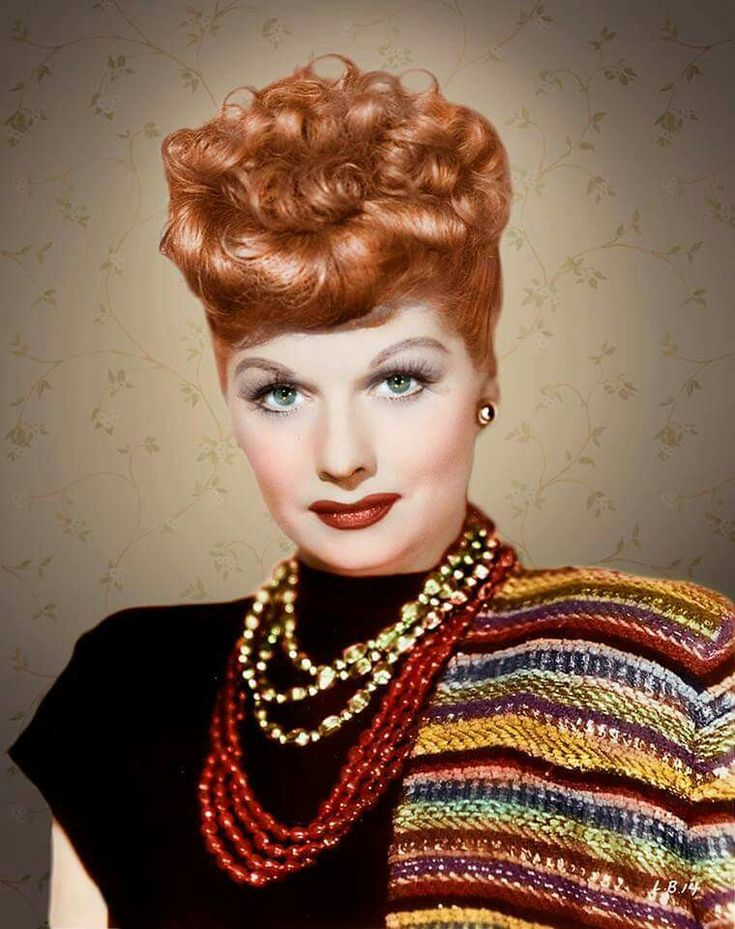
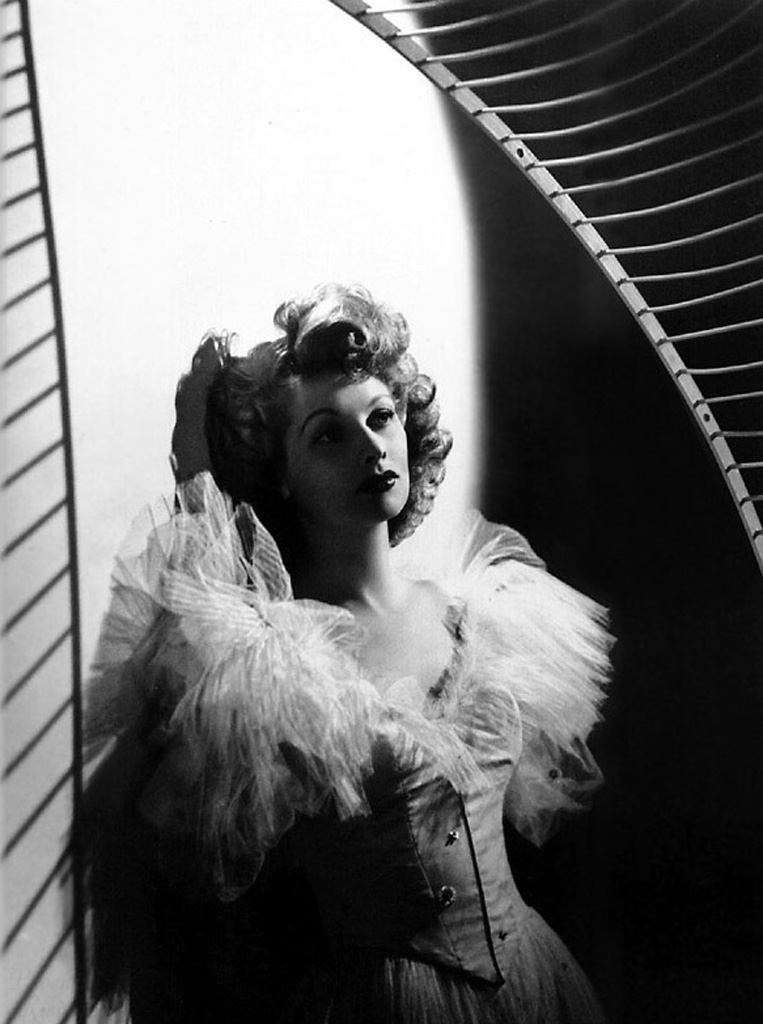
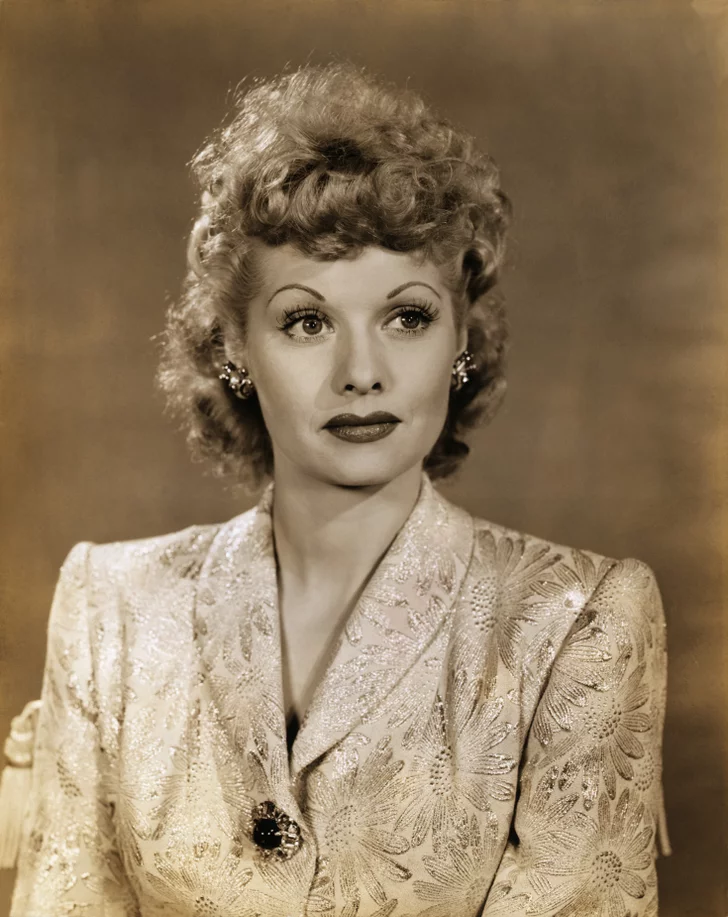
Lucille Ball

An interesting character. As a baby boomer I knew Lucille Ball (August 6, 1911 – April 26, 1989) from her first television series, “I Love Lucy!” (1951-1957) It was a fun show. But TV stations must have gotten the reruns on the cheap because they played them, and played them, and played them some more. It had some epic comic bits, and some incredible guest stars. Its really cliched to say, but that was a pioneering show. They really didn’t know where they were going with television in 1951, and she helped them find the way. It really was a mirror for America’s two good decades (1945-1965).

The young couple starting out poor, the struggles of young married life. Getting a few raises, some career advancements. Having a couple of kids. Move out of the apartment in New York, find a nice house in California. Back when living the American dream was possible. The show reflected all that. It also had a kind of innocence that gradually disappeared in her two later series, just like it disappeared in America. Then I kind of remembered her next two series in the 60’s, “The Lucy Show” (1962-1968) and “Here’s Lucy” (1968-1974).

I liked her shows, but I wasn’t a huge fan. I can only take slapstick and farce in small doses. Maybe I’m just stupid and can’t recognize comic genius when I see it. I think one thing you can say about all three of her series, is that they were wholesome. Stuff was funny because it was funny, not because she dived for the gutter. America evidently loved her too. She was pretty much on TV non-stop for 20 years. Movies, specials, she was as famous as you got. I’ve really come to enjoy seeing her movies from the 30’s & 40’s, she was just strikingly beautiful and a joy to watch.

Two of her best movies were with Henry Fonda (Yours, Mine and Ours) and Bob Hope (Critic’s Choice). A teen aged Tim Matheson played her son in Yours, Mine and Ours. I was just becoming interested in her earlier this year when I read what he had said about working with her. To think of her as anything like her characters was a mistake. He said, “She was very nice, very polite, and a pleasure to work with, but she was all business. There wasn’t to be any goofing around, wasting time or not knowing your lines.”

That’s when I started to remember what a hard-nosed businesswoman she was like with Desilu Productions. She was the richest woman in show business at one point. She was born in 1911 and became an adult during the Great Depression. There are stories to be told about people who lived through those times. And she had it even rougher than some, her father died before she was four. They intimate that as a teenager she knew she wanted to be rich and famous. You’ll read that a lot with stars, they knew what they wanted.

They said in real life she was the frugal one, her husband Desi was the spendthrift. Which is funny because on her bio/trivia page at IMDB, they talk about when they decided to get married it was at night and all the jewelry stores were closed. In those days you had to have a ring of some sort to get married. Desi got her a trinket ring at a drugstore that she wore for the rest of their marriage! The more I read about her the more I respected her. In a nice way I started to think of her as a tough gal. I just have this feeling that if she’d heard you say that, she’d either smile or punch you in the mouth, but she wouldn’t wilt and faint.

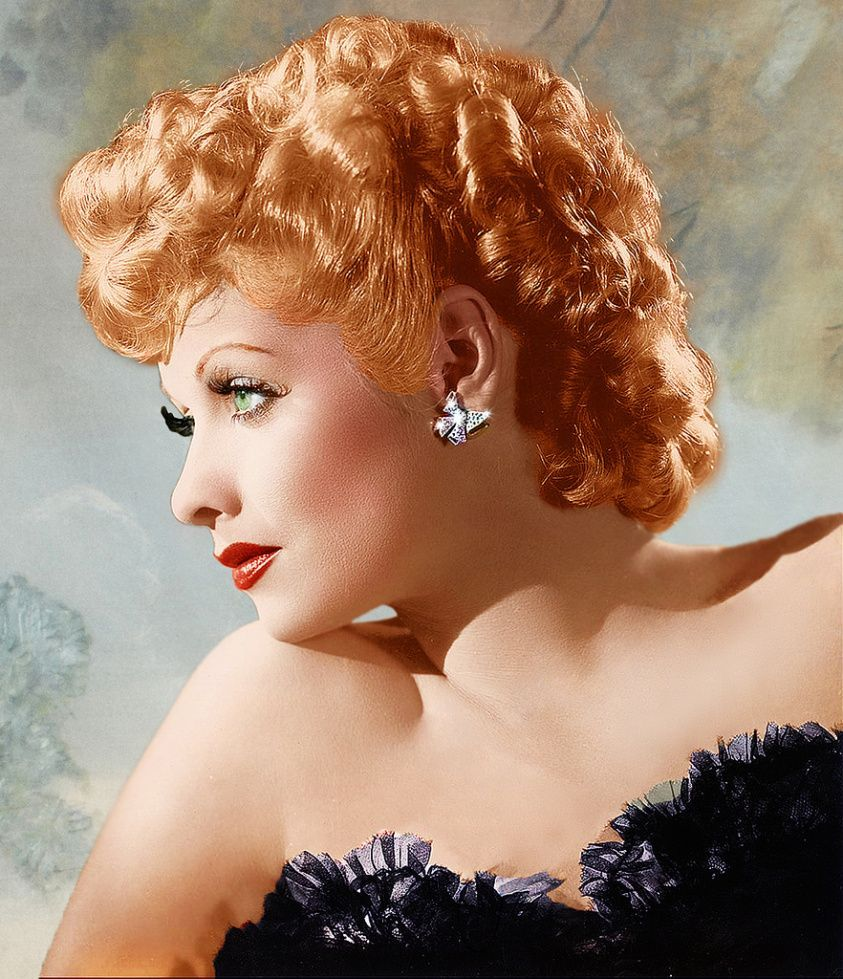
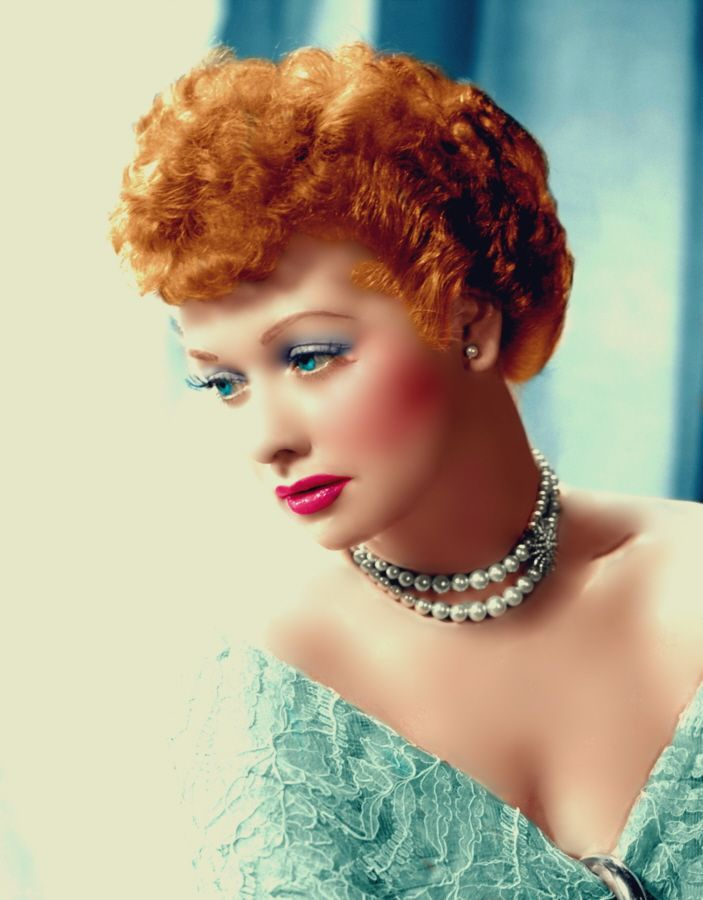
She started out her career as a model. She’d tried acting class at 15 but was kicked out as “she had no talent and no future in the entertainment business“. She had striking features, but was so skinny in her youth they’d have her model fur coats and the like. I think she photographed very well. It just occurred to me when I Love Lucy started she had just turned 40. That’s when a lot of careers for actresses were over in those days.
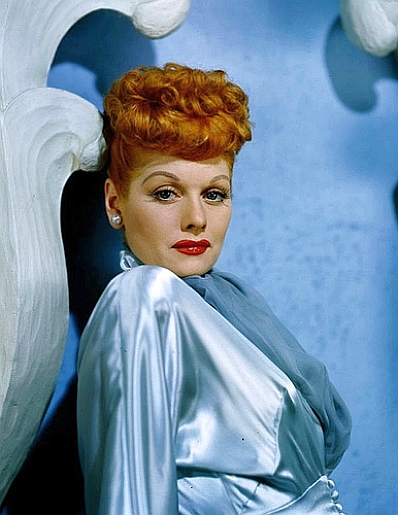

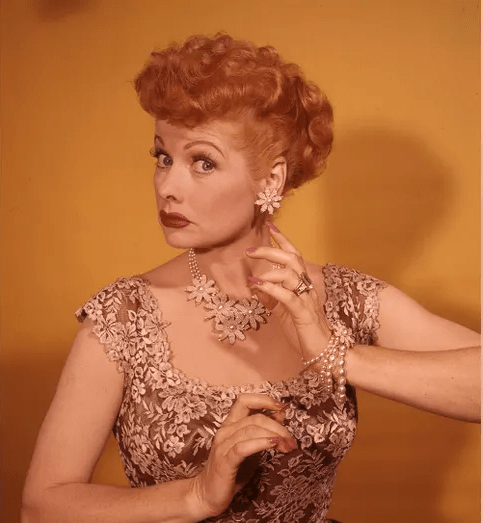
Not a particularly “great” photo in the sense of capturing her attractiveness, but I just love her expression, the wardrobe and the colors.
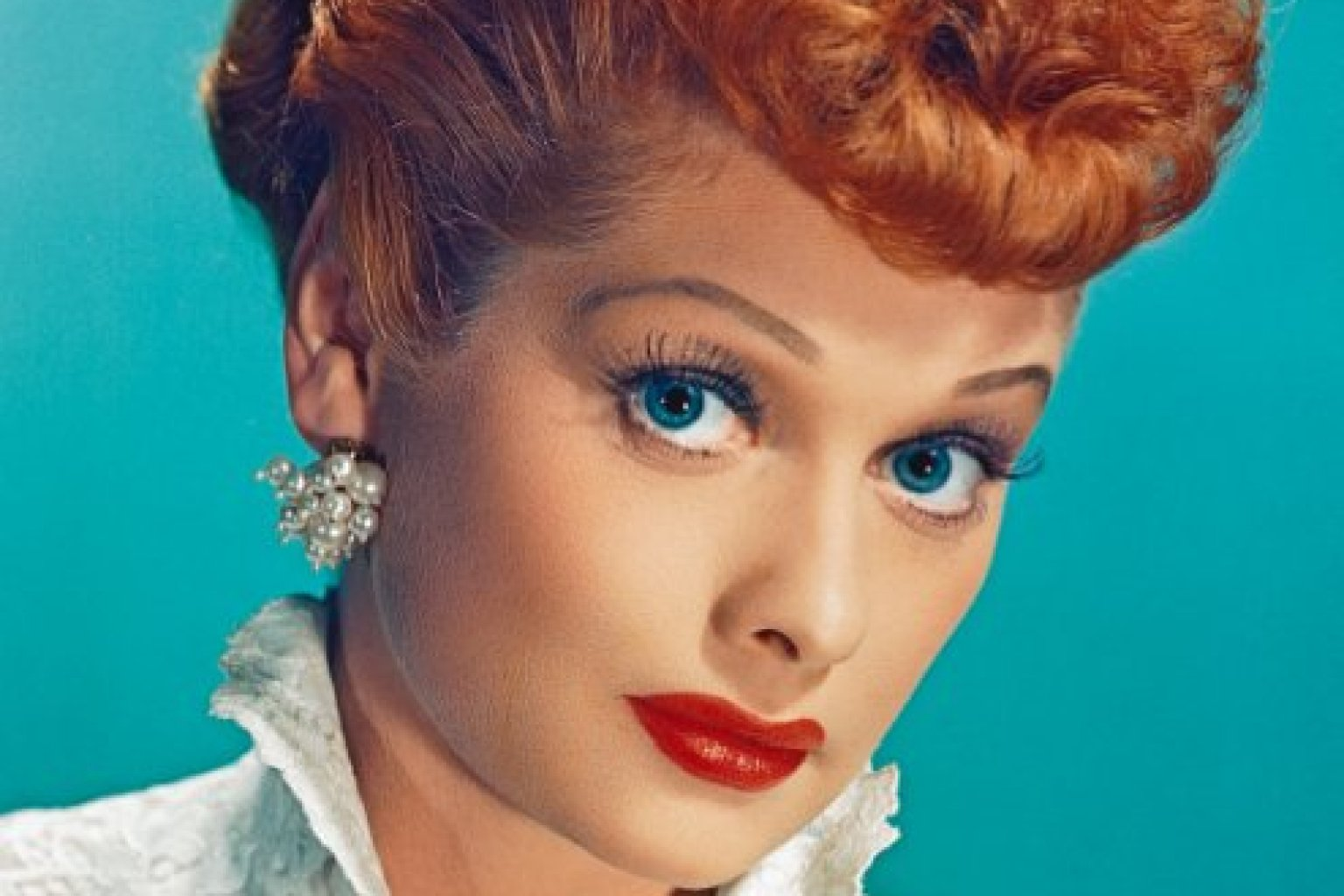
I say again, one thing Hollywood could do right was photograph a gorgeous dame.
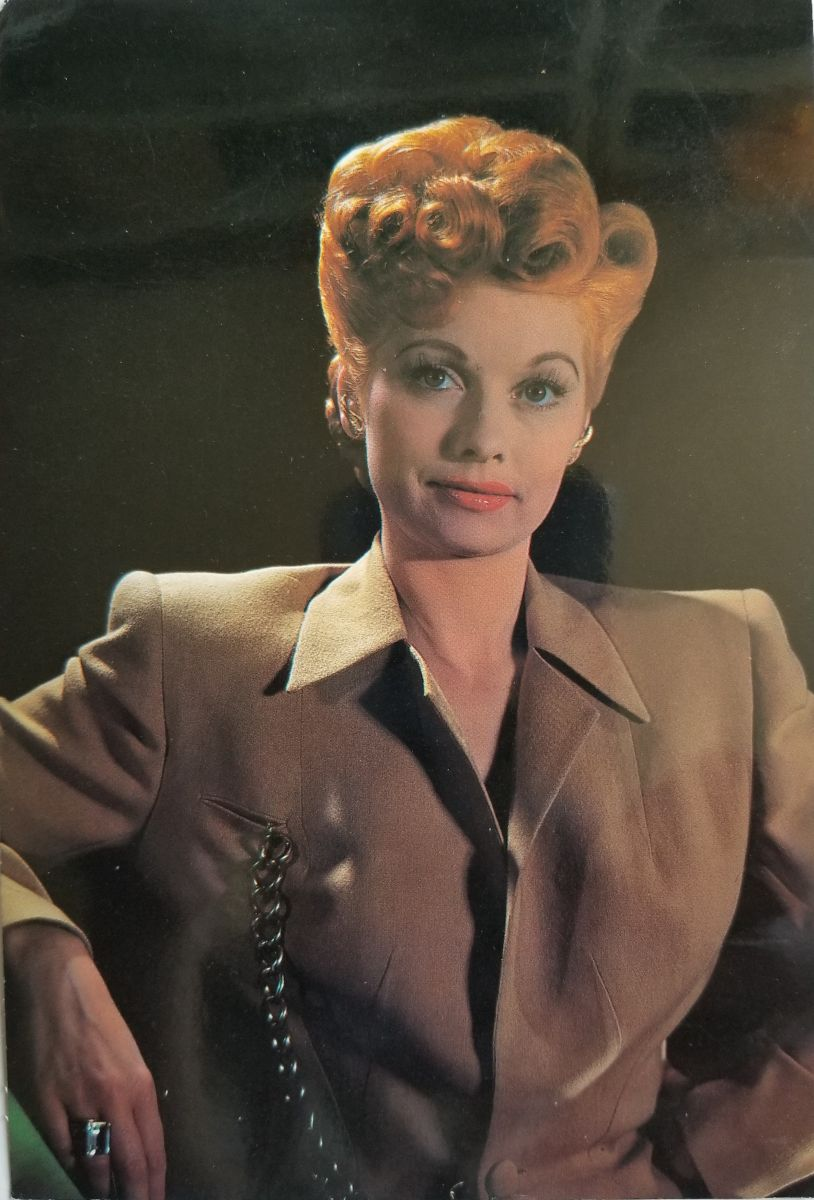
She started her career in the “B&W era”, that they devoted so much expensive color to her says something

“During the filming of Roman Scandals (1933), Lucy–playing a slave girl–needed to have her eyebrows entirely shaved off. They never grew back.”

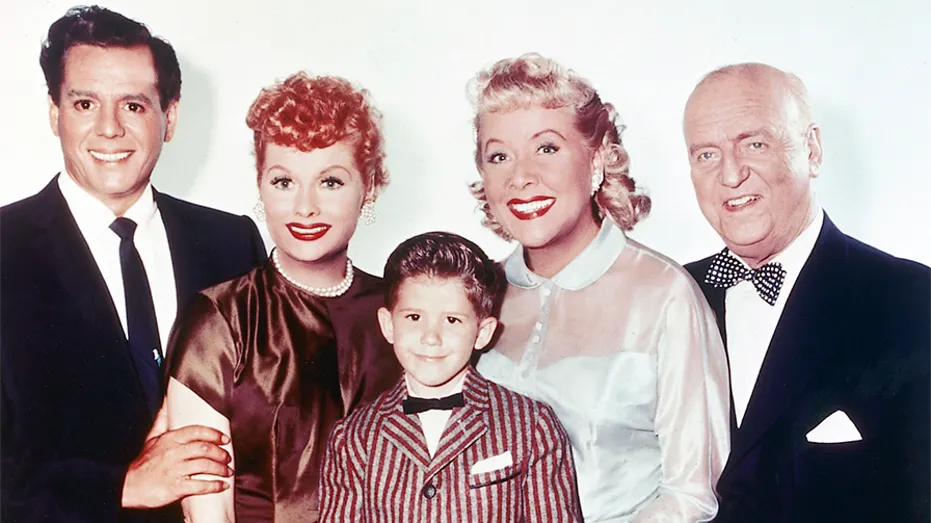
[FOX News 10/15/22 just happened tp have a little write-up about the anniversary of I Love Lucy and the last surviving cast member “Little Ricky”, Keith Thibodeaux. I just thought his assessment of Lucy was the same as Tim Matheson’s.]

Fox News: What surprised you the most about Lucille Ball?
Thibodeaux: I think just her professionalism. I think that’s the thing that comes up in a lot of people that talk about Lucy. She was very professional, very unlike her zany, kooky character that she played on the show. When she was on the set, she expected everyone to do their jobs, to know their lines. She was a very no-nonsense kind of person. That seemed to be the description for her. – much more at FOX
Howard Behrens

His skies are just out of this world. And his shadows (and I like artists who like red, green, blue and yellow).

American painter Howard Behrens (August 20, 1933 – April 14, 2014) – the world’s most renowned palette knife artist. As a landscape and seascape artist, Behrens has painted the idyllic lakes of Italy to the gardens of New England. He has had over 150 one-man shows from coast-to-coast since becoming a professional artist in 1980. – Bing

Behrens was born in Chicago, Illinois in 1933. He grew up near Washington, DC. He began drawing at age seventeen after being confined to bed following a sledding accident.

That guy could lay down some paint I tell you what.
Red!
Every image is a masterpiece.

“The Shape of Things to Come”

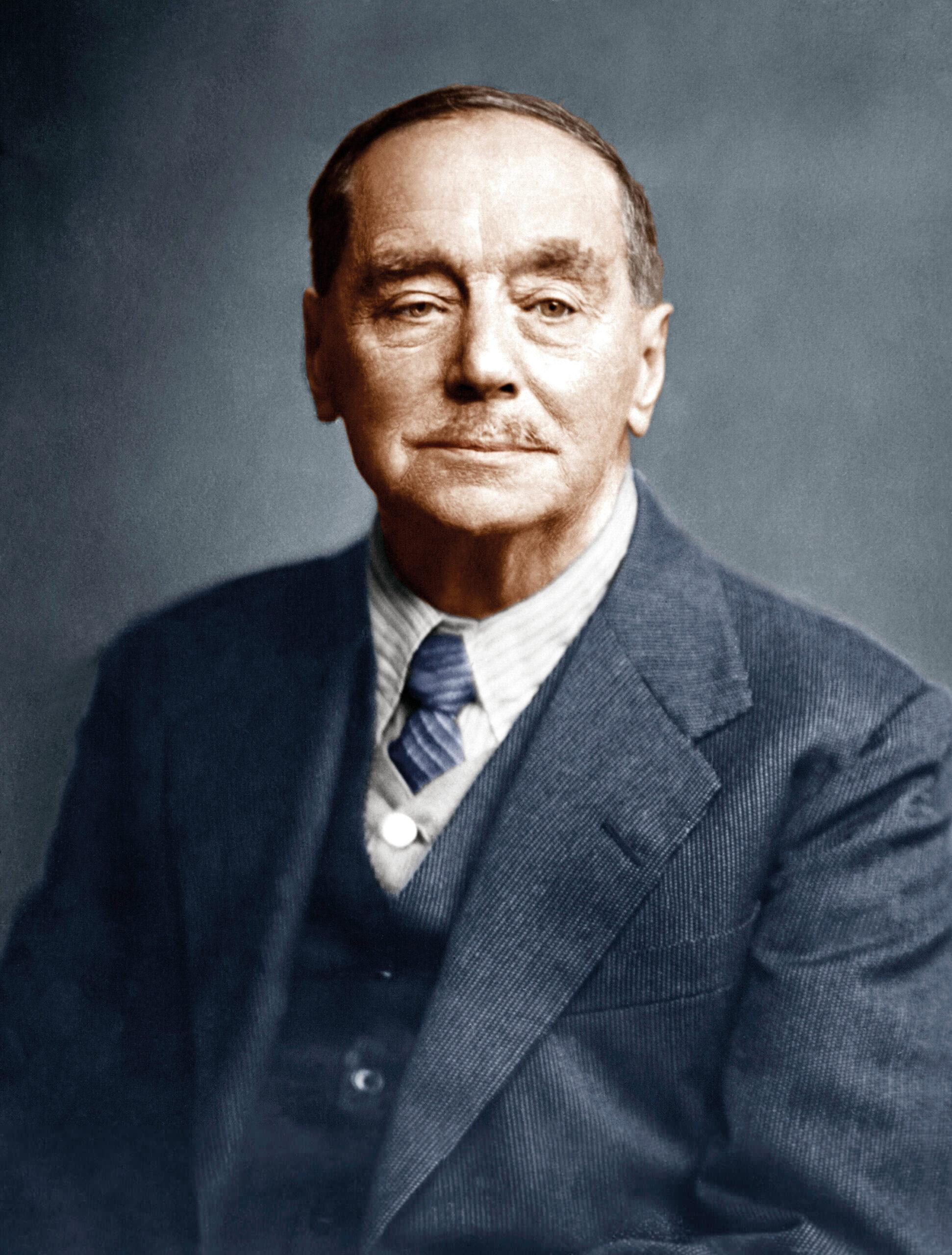
Herbert George Wells

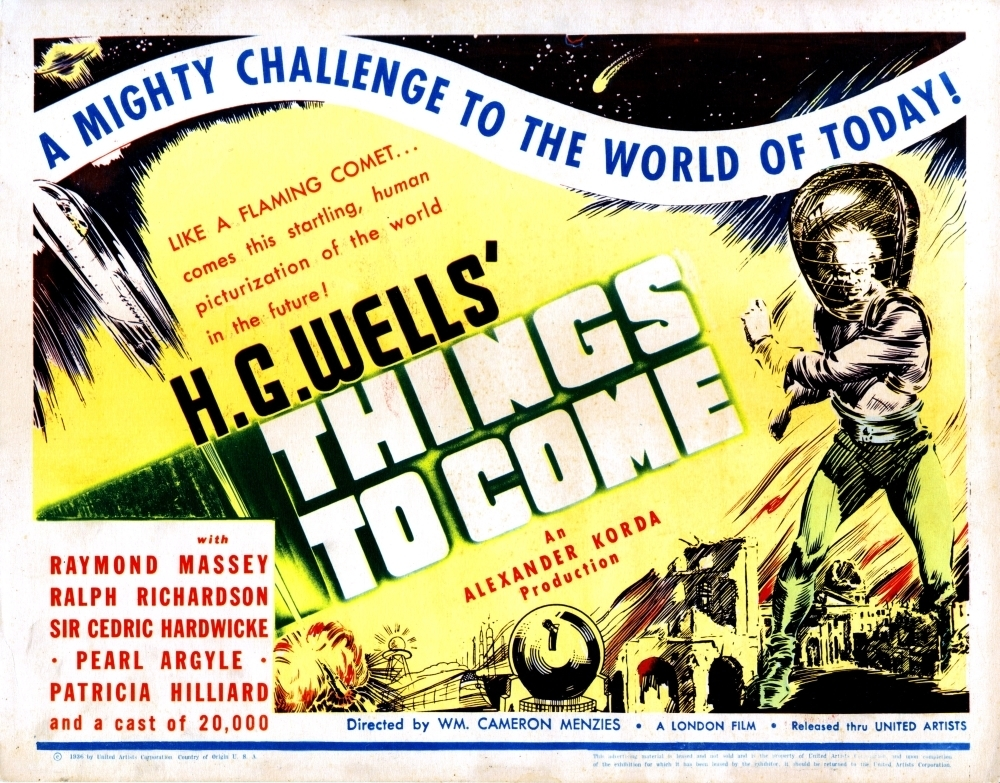
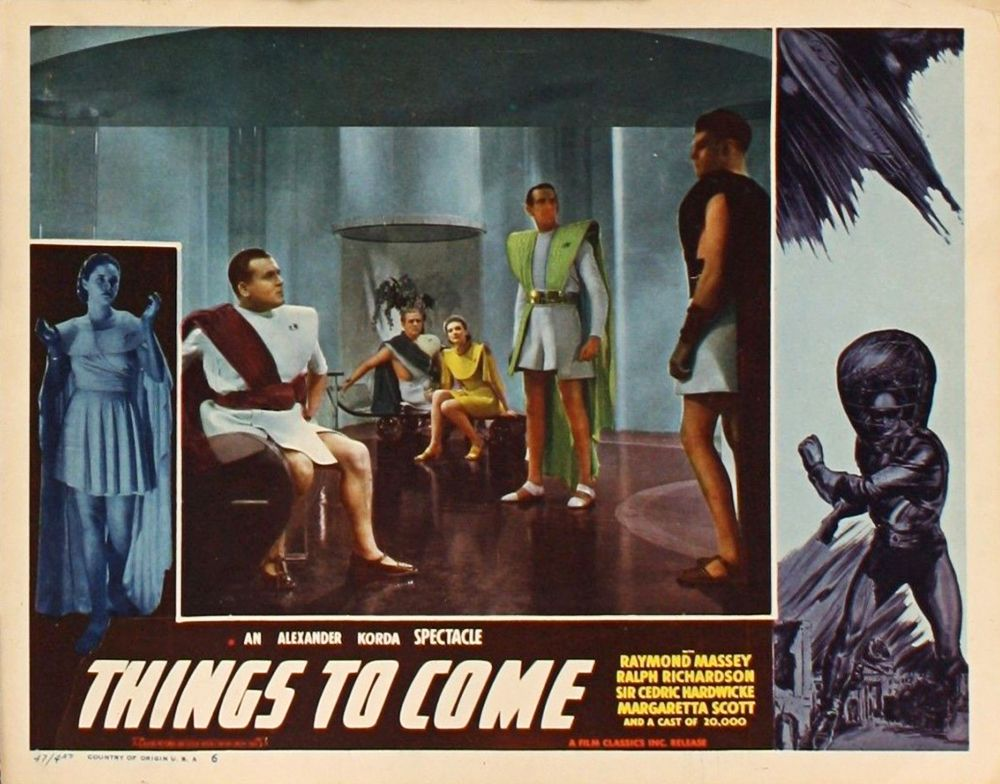
H. G. Wells (Sept. 21, 1866 – Aug. 13, 1946). As soon as this came on TCM I knew we had a winner. This 1936 movie was titled ‘Things to Come’. It was written in 1933. Its about a World War that brings about the collapse of civilization. I started looking at the dates “1933”, and the author “H. G. Wells”, and I thought, “He saw what was coming!” I’m glad he lived to see the end of WW II. I’d hate for him to have died on a depressing note.

If the man wasn’t a genius, he sure pretended well. A member of the Fabian Society, it was interesting to note that in 1939 he wrote ‘The New World Order’. “Fabian Society: The Future of the Left Since 1884.” The ‘Left’ is a misnomer. These folks figure themselves to be the top of the pyramid, there is no “right or left” there. They simply use the left as their army. The rank and file lefty are simply useful idiots to them.

On the IMDB page for the movie they have several interesting quotes about this movie and the state of movies in general. “The story of a century: a decades-long second World War leaves plague and anarchy, then a rational state rebuilds civilization and attempts space travel.” “Before filming started, author H.G. Wells told everyone connected with the film how much he’d hated Fritz Lang’s film Metropolis (1927) and how he wanted them to do the opposite of what Lang (whom he called “Lange”) and his crew had done.”

“Still, the film clearly illustrates a future that will eventually occur — one where some people put all their trust and faith in our modern marvels — while others left powerless and impotent by these modern marvels ask whether this progress was worth the price.” It was said there that Einstein dreamed of an “intellectual cinema”, and was thrilled with this release. As they say, Hollywood in the 30’s was only capable of “costume epics” and crime dramas from Warner Brothers.

Wells’ Utopian socialist tendencies really come out towards the end of the film when the enlightened super race rebuilds humanity after the folly of their decades long war. The intellectual heft of England during this period is very evident. Through their writing and film making. They leave the United States in the dust. A contemporary and fellow Englishman of his I can’t avoid mentioning, George Orwell (1984). Both being a particular strain of socialist that is in no way a fan of Marx or the USSR.

They are coming to the crux of the film where the advanced race has built this incredible civilization and is about to attempt their moonshot, when the leftover war mongers are about to break out of their prison and stop the “progress”. Man vs Machine.

Wells (The Time Machine, War of the Worlds, The Invisible Man) could definitely see the future, or rather parts of it. But the part I can’t figure out is why both he and Orwell, being geniuses, buy into this socialism crap? You could just see their mouth watering as the advanced super race brought about a perfect future through gentle force. Central planning. “You will enjoy Utopia, even if it kills you.” I can only assume neither Wells nor Orwell had the Divine spark. It is the only way I can account for their lack of wisdom.

Part of my problem with the film I think is my distaste for Raymond Massey.

The special effects of their ‘NASA’ facility and rocket ships, for 1936, is incredible.

Walt Disney

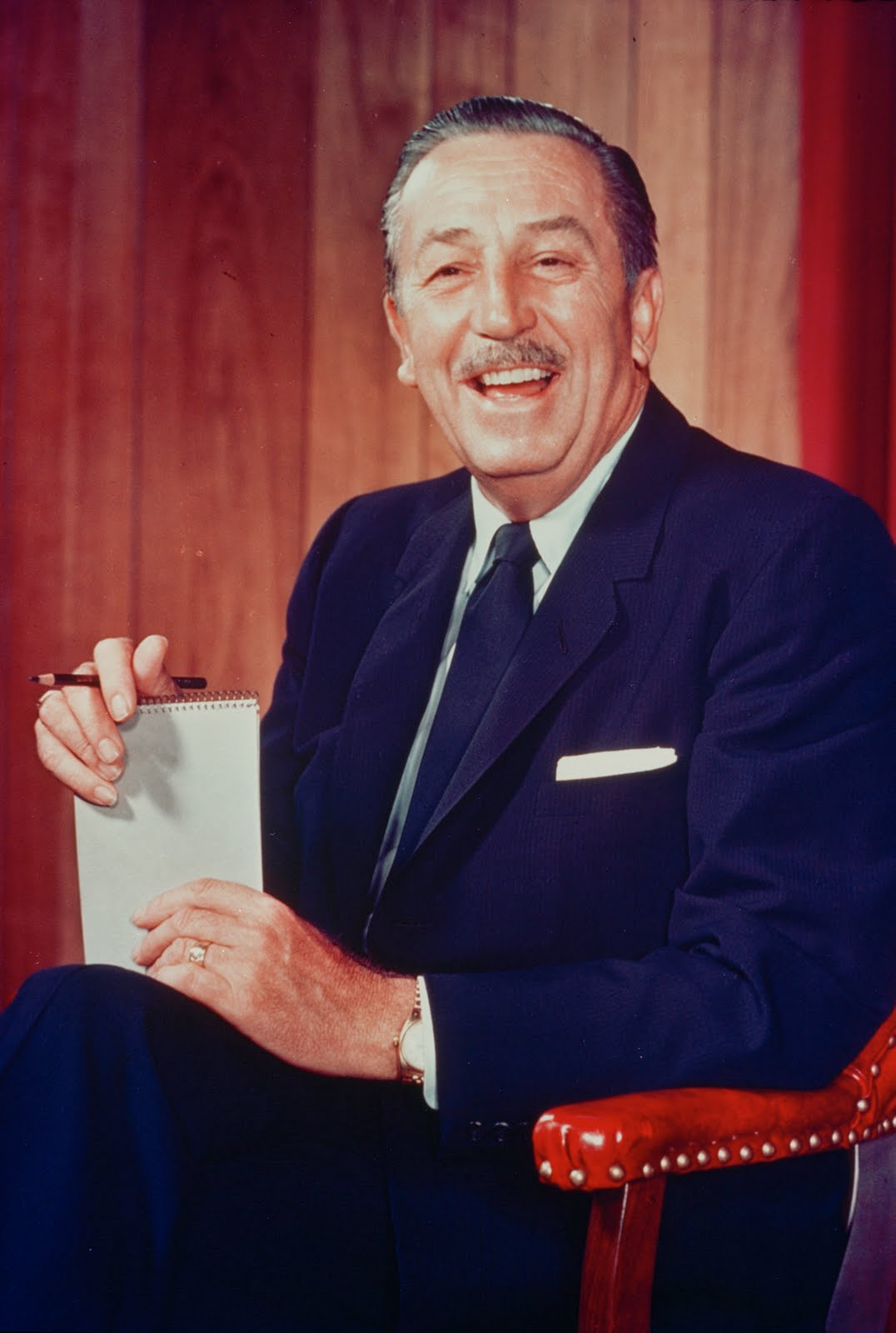
Walt Disney on a set similar to what we would see when he introduced one of his movies on the Sunday night television show “The Wonderful World of Disney”, in the 1960’s.

I can’t even remember what the ‘memory cue’ was the other day that reminded me of all the great Disney movies from the 50’s and 60’s. They were just the best in all respects. The bright colors, the wonderful music, good story lines, rapid pace, quality acting. He knew what was good for kids, what kids liked, and how to do it. He ran circles around the rest of Hollywood. In central Iowa The Wonderful World of Disney was shown on NBC Sunday evenings at 6 pm. Right after supper.

Walter Elias Disney (December 5, 1901 – December 15, 1966) was an American animator, film producer and entrepreneur. A pioneer of the animation industry, he introduced several developments in the production of cartoons. As a film producer, he holds the record for most Academy Awards earned and nominations by an individual, having won 22 Oscars from 59 nominations.” – Wikipedia

I’m not even referring to what a lot of people think of when they think of Disney, his animated movies, I’m talking about his live action movies. I just noticed he was only 65 when he died, that’s crazy. He was really hitting his stride when he died. Come to think of it I believe he was a prolific smoker of tobacco. So sad. What Michael Eisner and Bob Iger and others would do to Disney in the succeeding years was just criminal.

It’s a shame younger generations will never be exposed to the glory years of ‘The Magic Kingdom‘. I don’t begin to understand how “film rights” work, but I seriously do not have the words to express how our culture is going to suffer by not being exposed to these films. I’m going to list below a few of my Disney favorites from “back in the day”. It’s really not possible to overstate the influence Walt had on youth culture for a little over 10 years.

The live action movies, the animated movies, the television shows, The Mickey Mouse Club, The Disneyland Theme Park, the merchandising. It was just pervasive. And frankly, wholesome. It just hit me what another key to their success was! Originality! They read books! Back then we had entire buildings devoted to these “books” called “libraries”. They contained the most wonderful, exciting and new stories. Doing the research for the movies below, I found out that what Disney is doing today is remaking these movies, not coming up with new ideas.

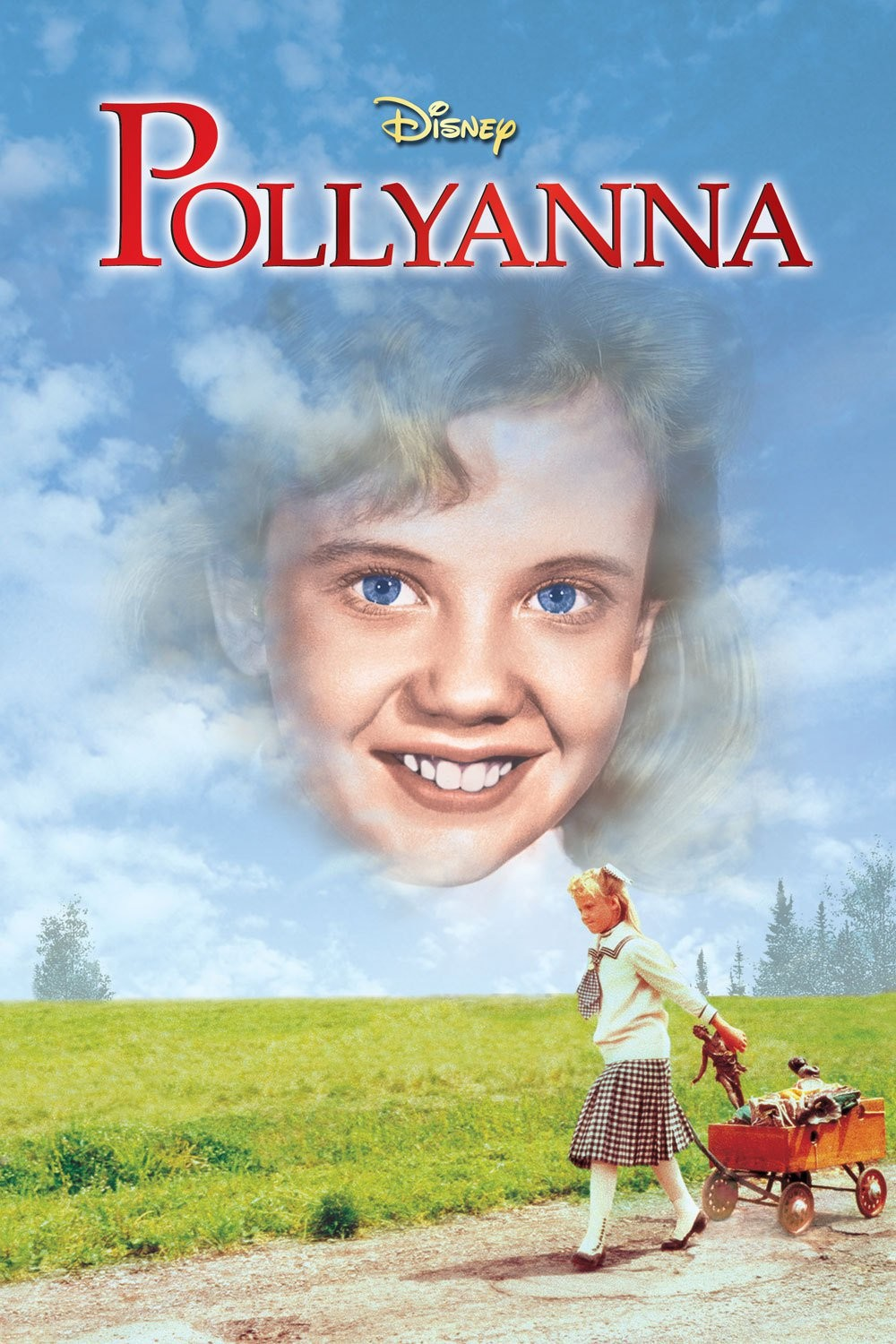
A little girl comes to a town that is embattled by feuds and intimidated by her aunt. By the time she must leave, she has transformed the community with her indominatable will to see the good side of even the worst situations and bring it out for the betterment of all.

I liked it because it had Hayley Mills, James Drury, quintessential “Disney kid” Kevin Corcoran, Karl Malden, Jane Wyman, Mary Grace Canfield, Edward Platt and a host of other recognizable faces. And it captures the feel of turn of the century New England so well. You learn so much history too.

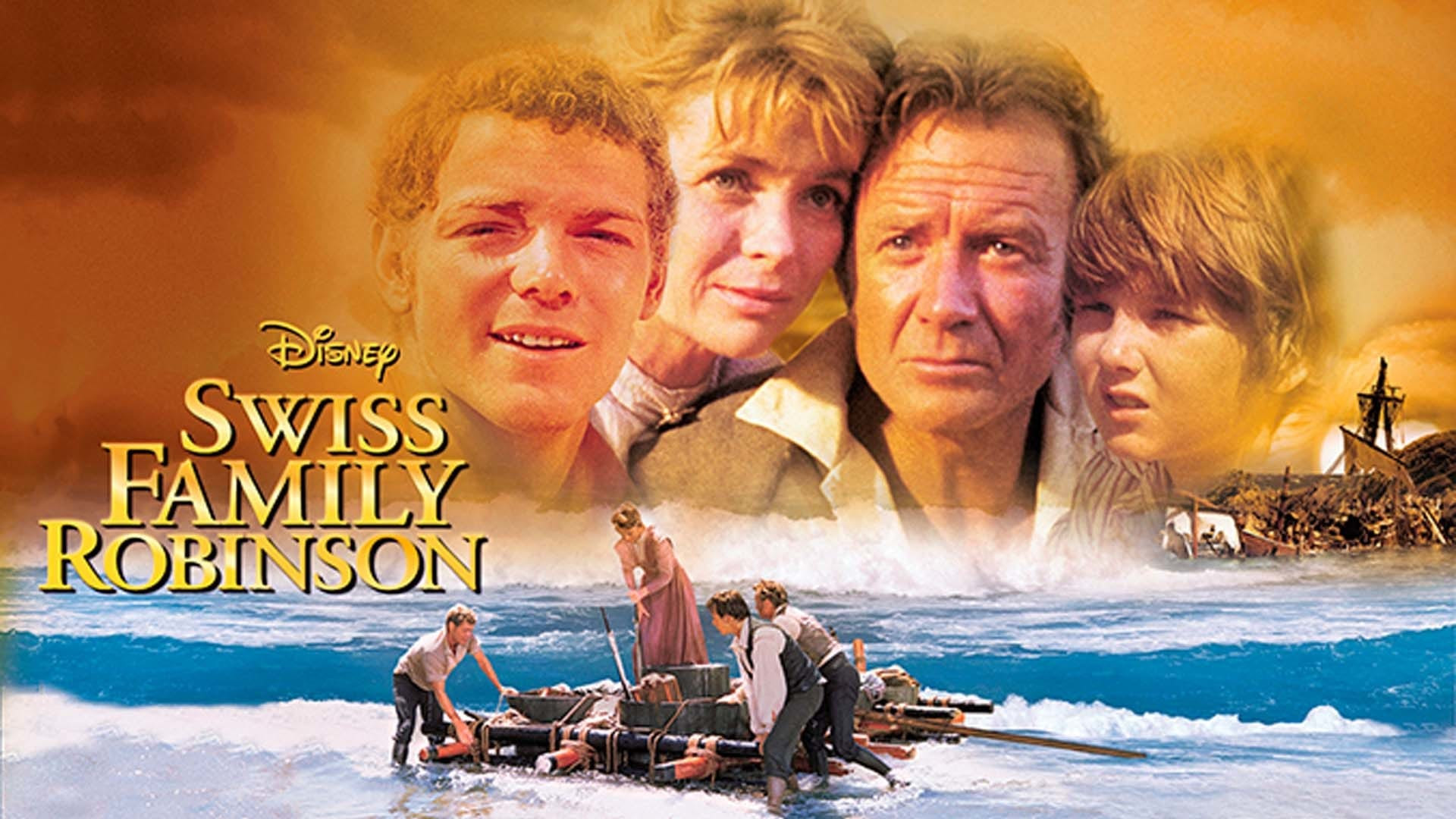
A family in route to New Guinea is shipwrecked on a deserted tropical island. They are forced to remain on the island because of the damage to the ship and the pirates that are roaming the islands. They create a home on the island (centering around a huge tree house) and explore the island and its wildlife. Plenty of adventure ensues as the family deals with issues of survival and pirates, and the brothers must learn how to live on the island with an uncertain future.

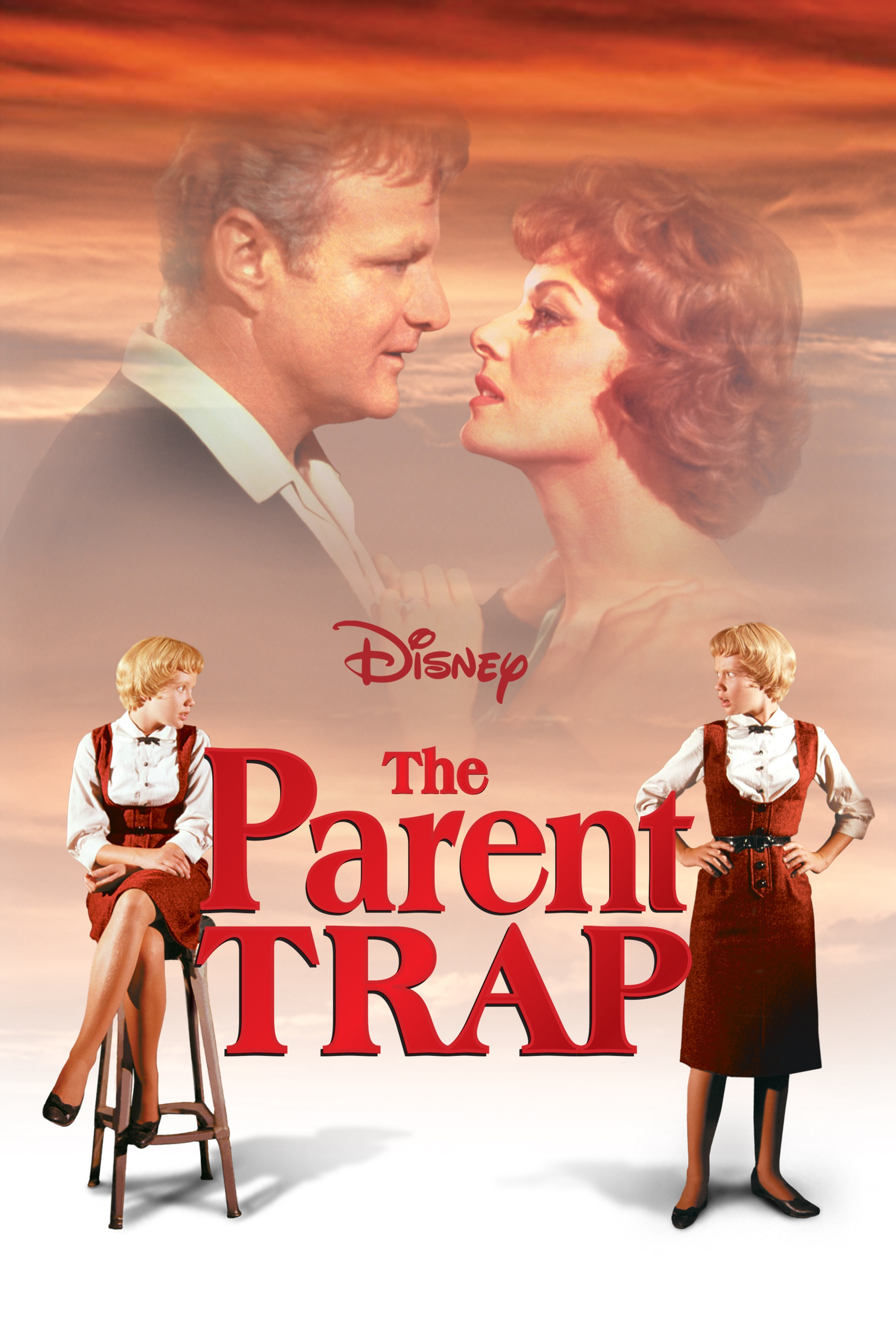
Hayley Mills plays twins who, unknown to their divorced parents, meet at a summer camp. Products of single parent households, they switch places so as to meet the parent they never knew, and then contrive to reunite them!
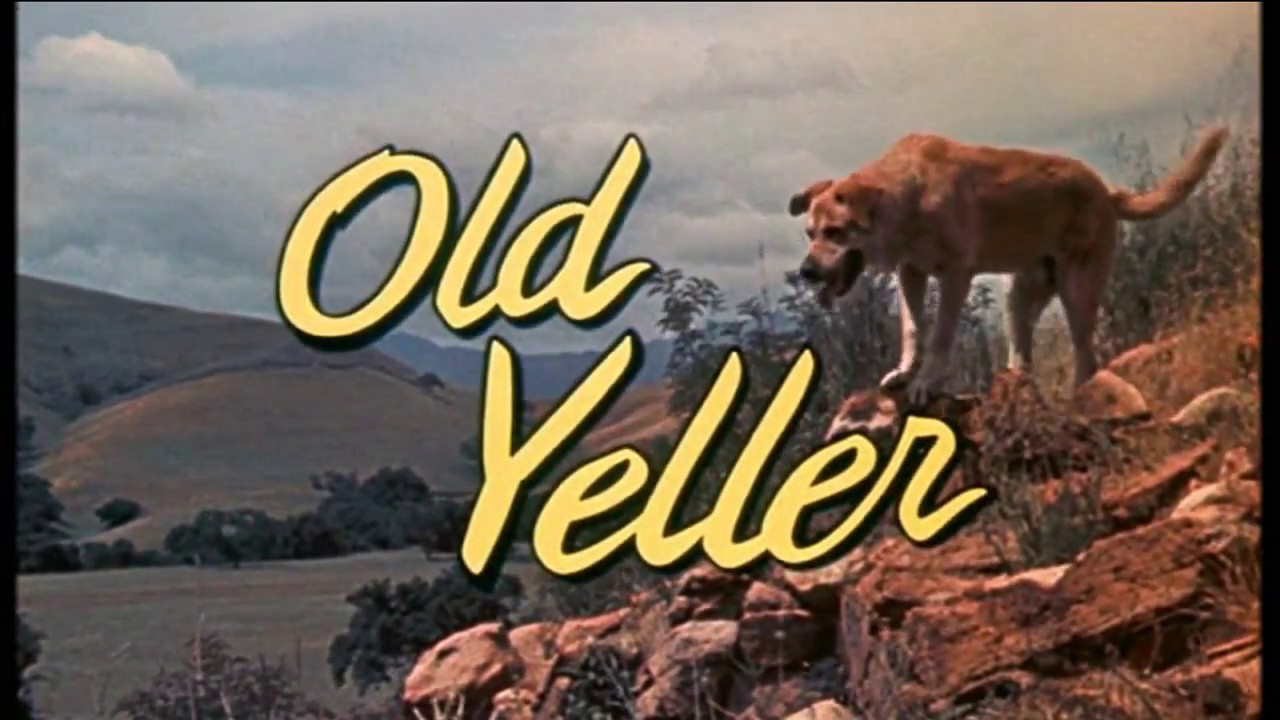
Best doggone dog in the west! A teenage boy grows to love a stray yellow dog while helping his mother and younger brother run their Texas homestead while their father is away on a cattle drive. First thought to be good-for-nothing mutt, Old Yeller is soon beloved by all.
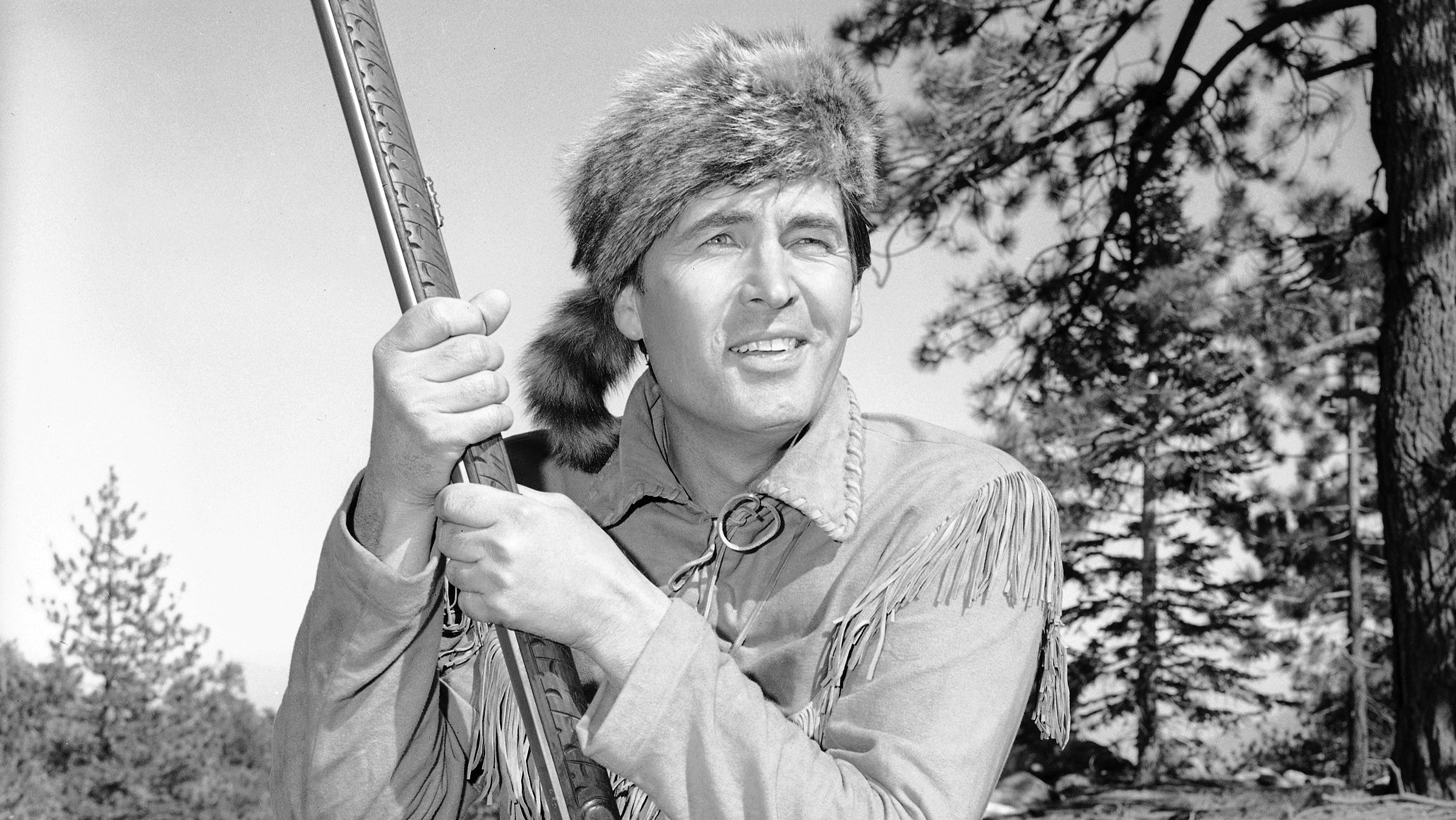
Davy Crockett: King of the Wild Frontier. The movie is actually in color, I just really loved this B&W photograph. Fess Parker. Just perfect for the role. Legends (and myths) from the life of famed American frontiersman Davy Crockett are depicted in this feature film edited from television episodes. Crockett and his friend George Russell fight in the Creek Indian War. Then Crockett is elected to Congress and brings his rough-hewn ways to the House of Representatives. Finally, Crockett and Russell journey to Texas and partake in the last stand at the Alamo. Once again it is impossible to overstate the influence it had on America.
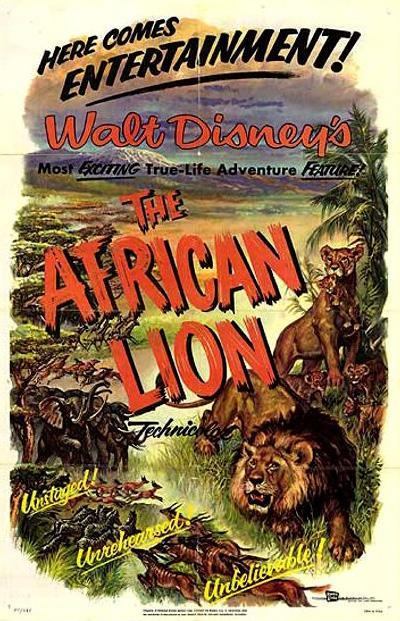
I’d totally forgot about these! These nature “docudramas”. They were just wonderful! Entertaining, informative. Experience the thrill of the hunt and the heartwarming fun of a mother lion caring for her playful cubs as wildlife experts Elma Milotte and Alfred Milotte spend three years on the plains of Africa studying the king of beasts. The next week it might be the American frontier, or the exciting adventures of animals in the Rocky Mountains.
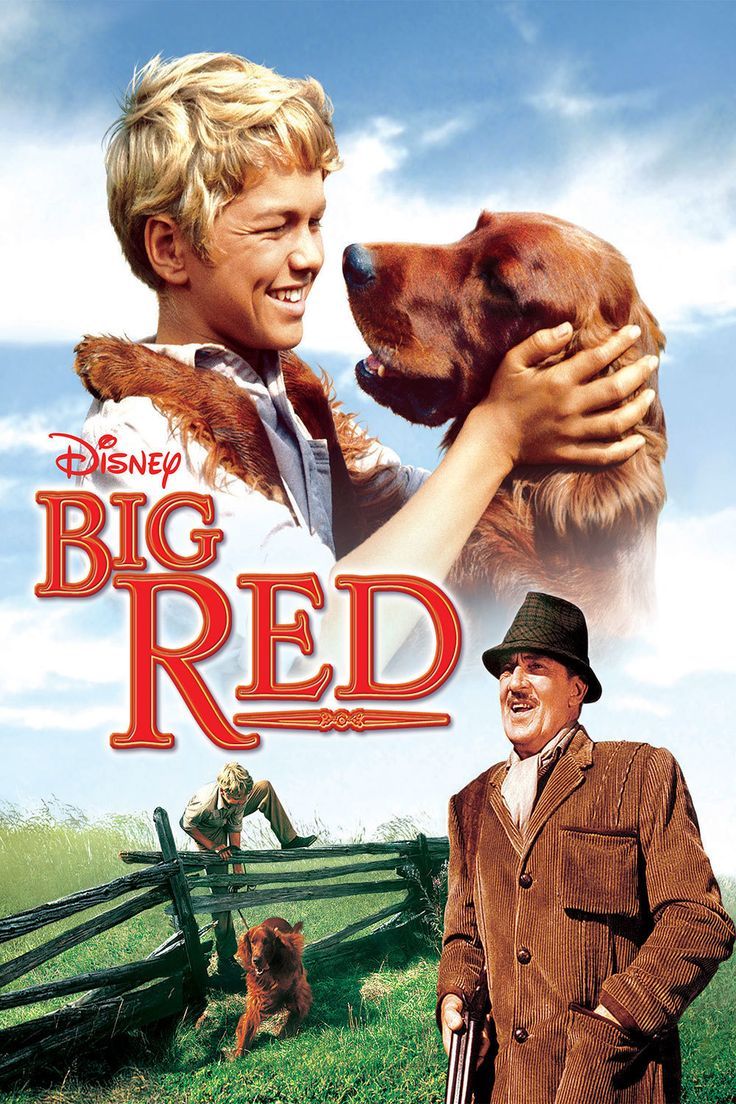
Although this movie is exactly 60 years old, I just saw it 5 or 6 years ago. That’s criminal. What determines a successful movie for me is it has to have 1 or more of the following: an actor you care about or can empathize with, great cinematography, or a story line you can’t turn away from. This, one of my favorites, was the actor: Gilles Payant. French Canadian. It was filmed in the Canadian Rocky’s. Gilles made 2 movies, this one when he was almost 15 and another when he was 6. He died at just age 65. It was the prototype Disney film where honesty and hard work in the end, paid off. Despite incredible hardships along the way.

The bottom line from my point of view is that Disney seemed unique in that he tried to build America up, instead of tearing it down.

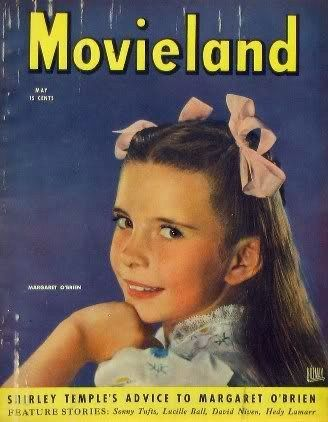
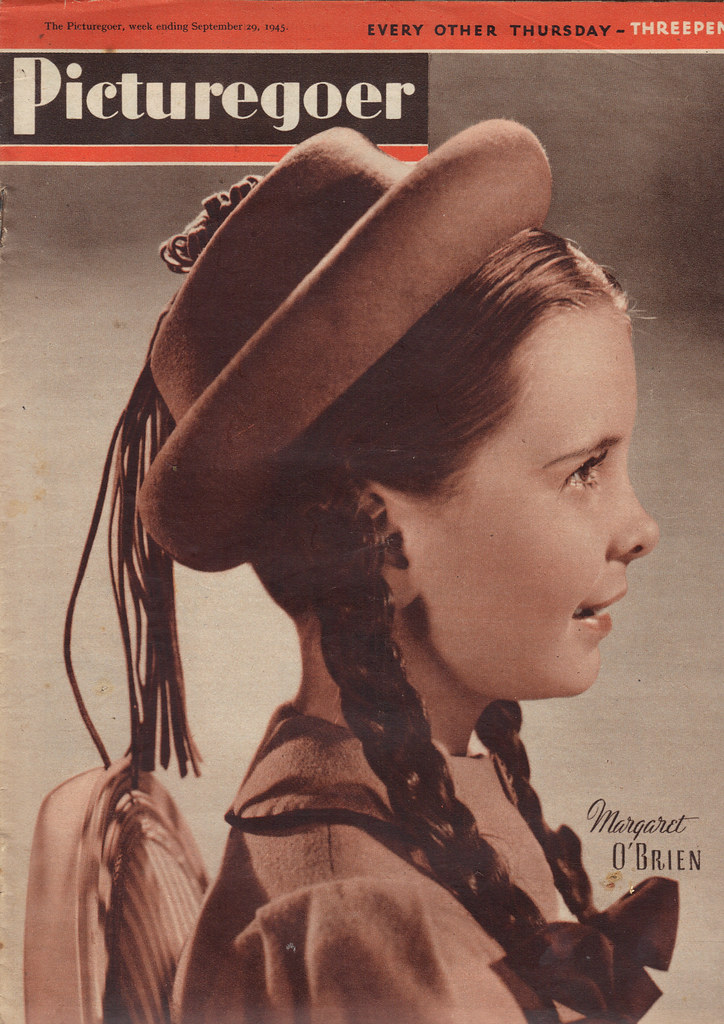
Margaret O’Brien!

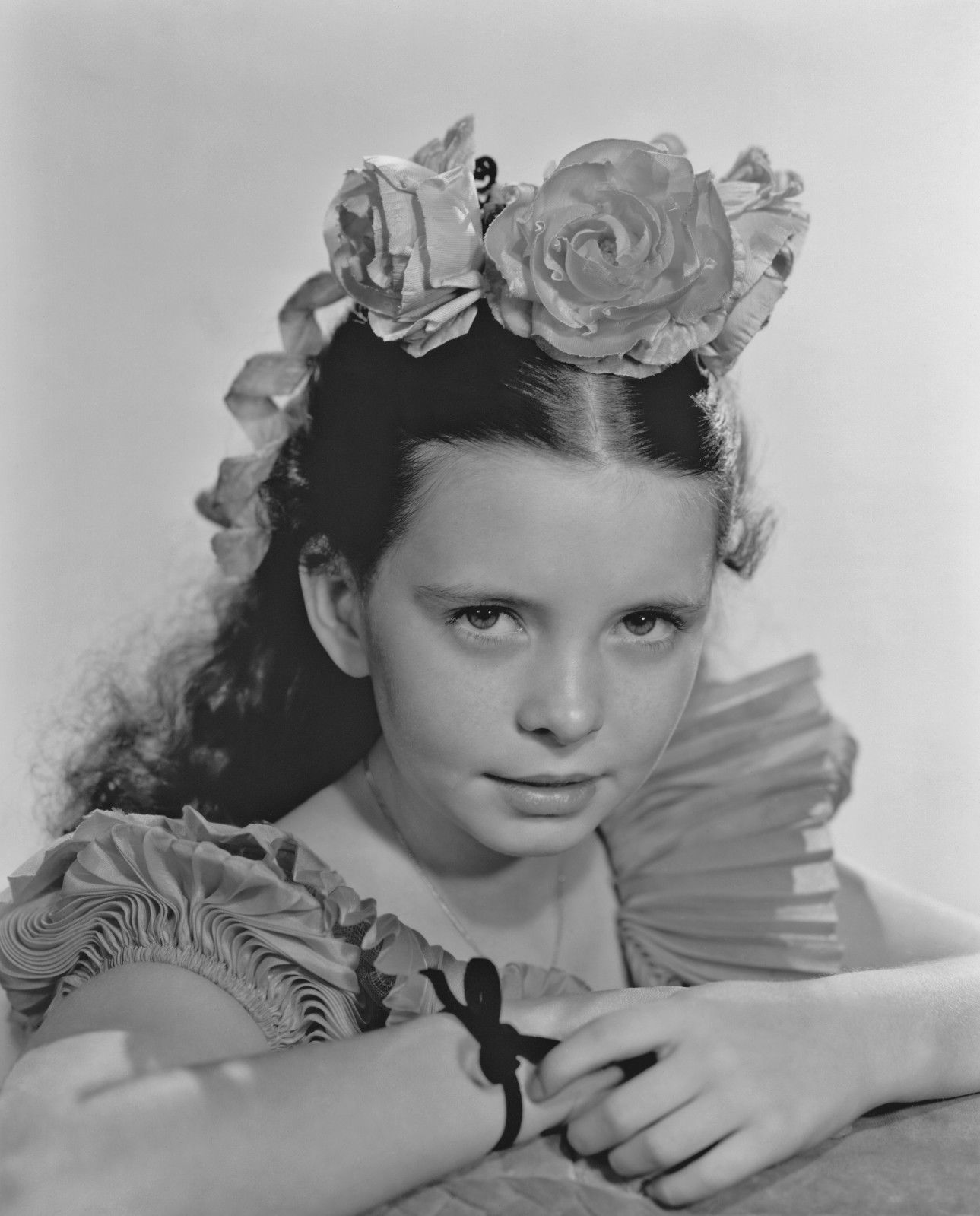
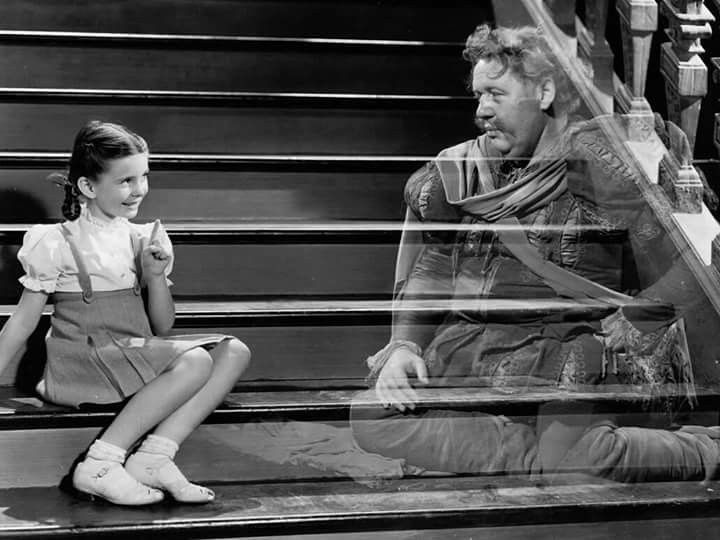
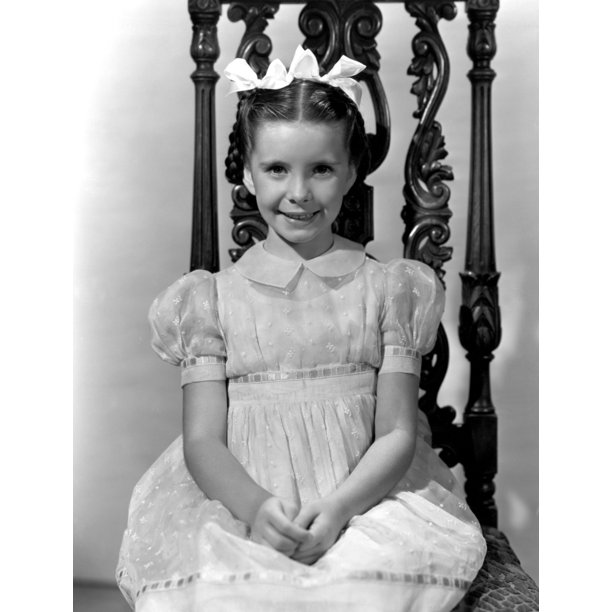
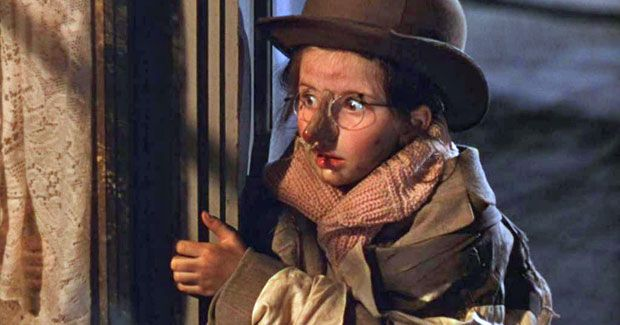
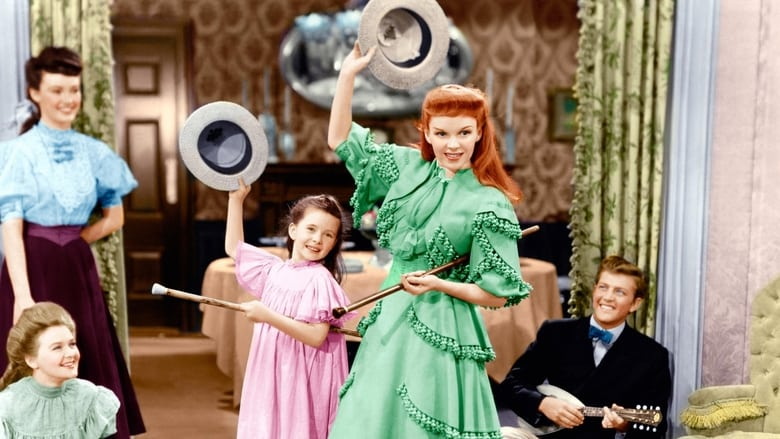
Margaret at perhaps age 7. This photographic still shot showed up on a search for the film showing at the moment: The Canterville Ghost (1944). She was born in 1937 and is doing well at age 85.

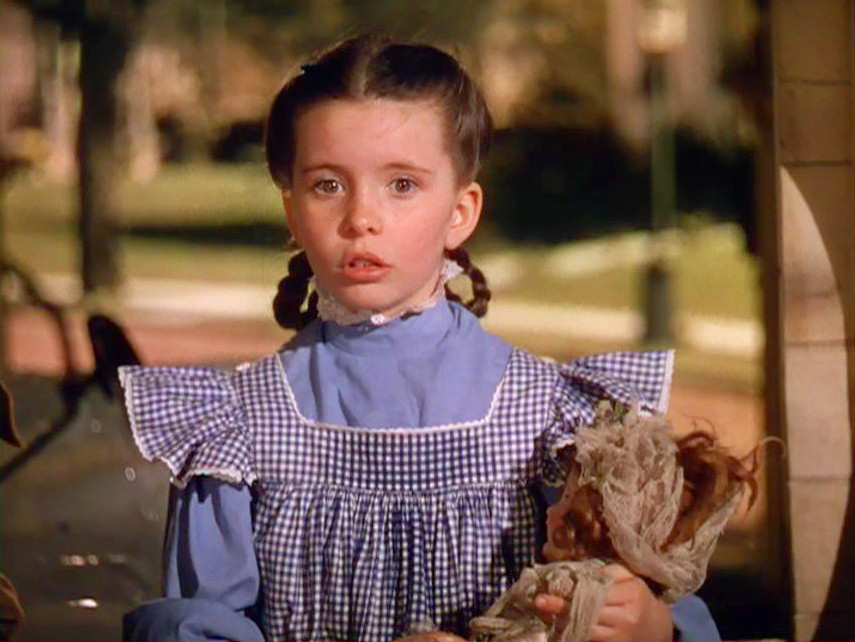
I remember the first time I saw Margaret O’Brien, it was on a TCM showing of ‘Meet Me In Saint Louis‘ (1944). I thought she was just delightful in it. It turns out the “Academy” thought so too, they gave her a special Oscar: Outstanding Juvenile Performer. Which “was stolen and she was unable to regain it for nearly fifty years when two memorabilia collectors came across it at a swap meet and managed to give it back to O’Brien.” Her bio quotes on IMDB sound just like her. The 1940’s were her decade. As IMDB put it, “She had made a mint for MGM, and a personal fortune for herself. One thing you can bet is they didn’t pay her what it was worth.

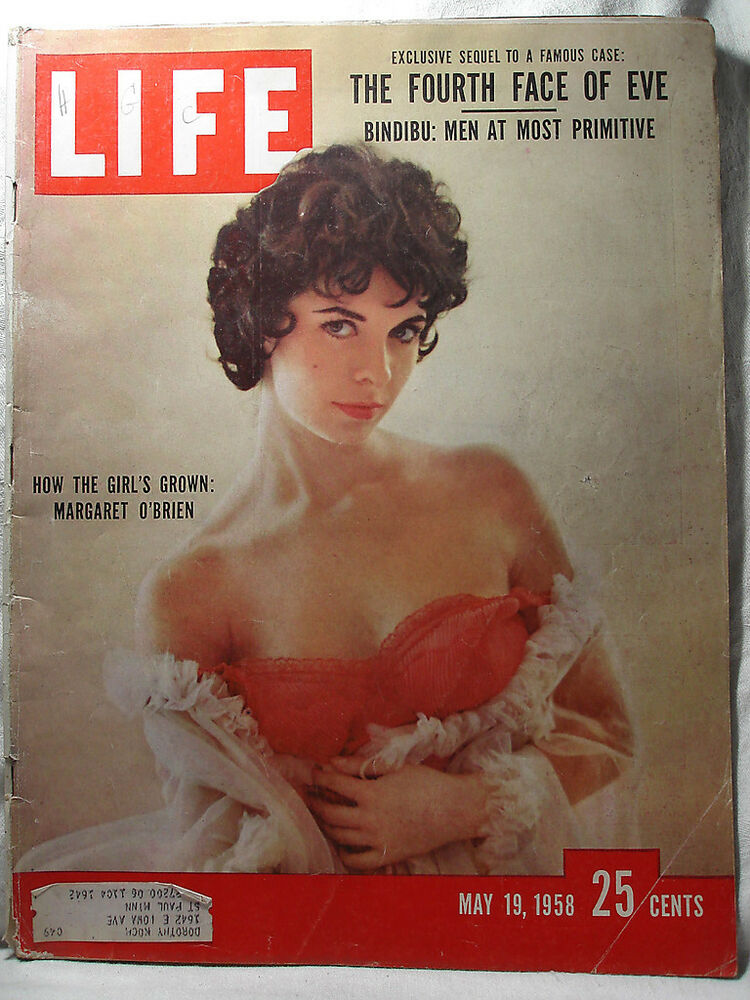
Looking at her credits she did a Wagon Train at age 21 (The Sacramento Story, 1958) and a Rawhide the next year (Incident of the Town In Terror!). I have never seen any of her adult work. She has credits up through 2018. They started becoming more sparse in the 70’s, the age 40 cutoff for a lot of Hollywood women. The only other child stars that had such a magnetic personality were Shirley Temple and maybe Elizabeth Taylor. Shirley “owned” the 30’s, and Margaret “owned” the 40’s.Two huge mega stars.

In fact there’s a fun little bit in her bio about when they first met. It seems perhaps the claws were out somewhat. Margaret kept sending Shirley Christmas cards and eventually they became fast friends. Margaret said her husband “had always had a crush on Shirley and instead he got me“. I can understand that, Shirley grew up to be an unusually beautiful woman.

She has wonderful stories about many who she worked with in television and movies, two of the funniest are about Marjorie Main and Wallace Beery. My favorite quote of hers is from when she was age 6: “When I cry, do you want the tears to run all the way or shall I stop halfway down?

with ‘the ghost’
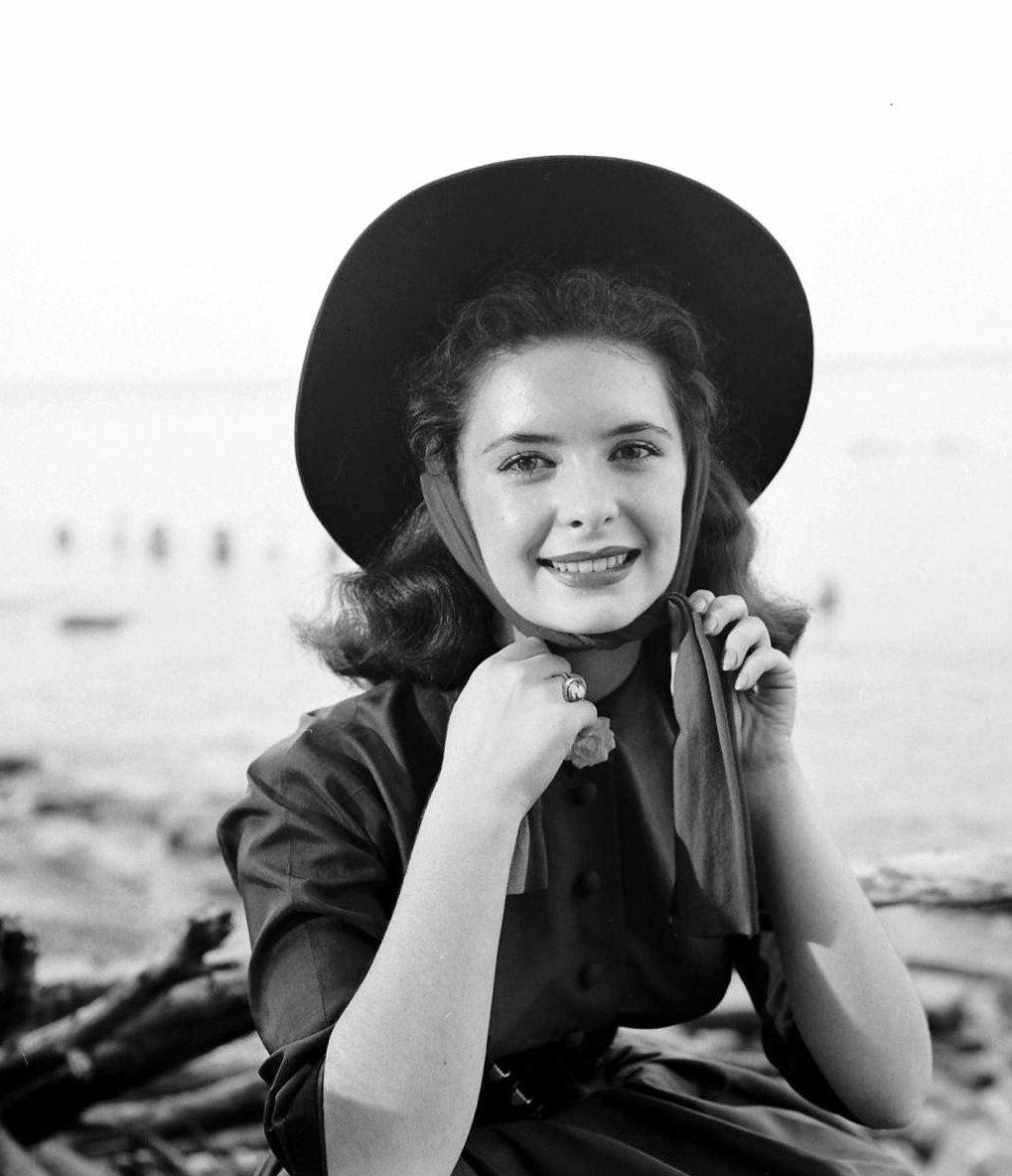
Date unknown
age 21
Meet Me In Saint Louis
for Halloween in Meet Me In Saint Louis

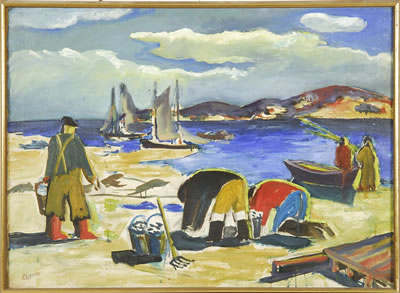
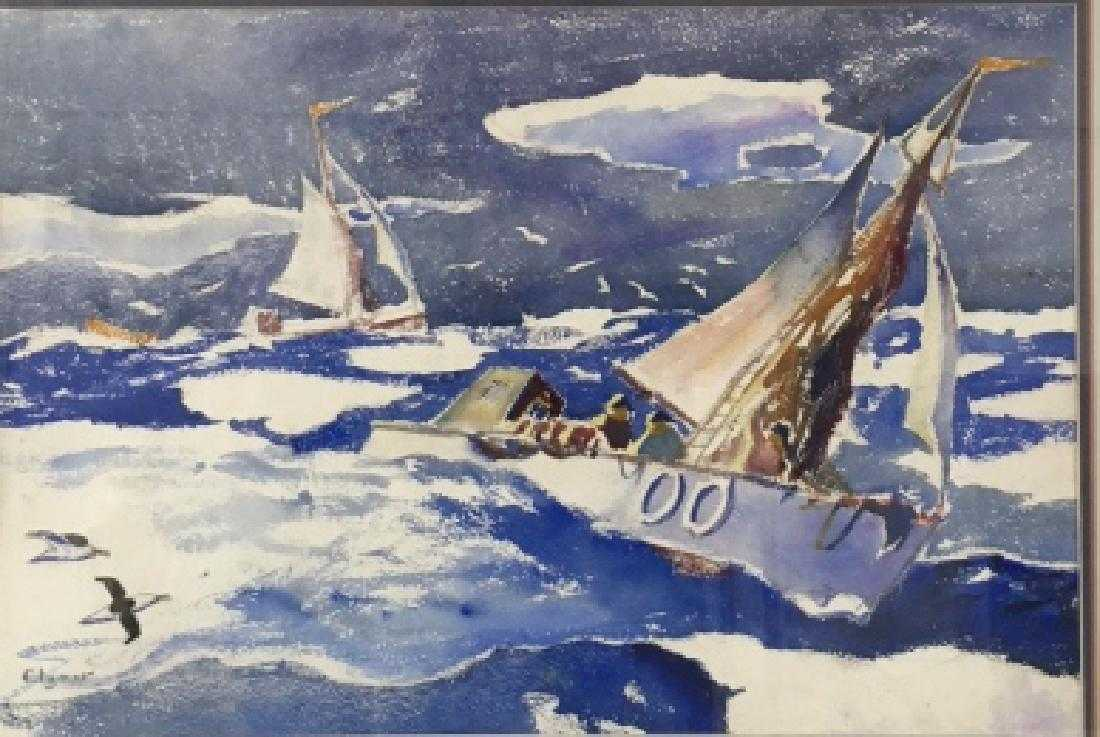
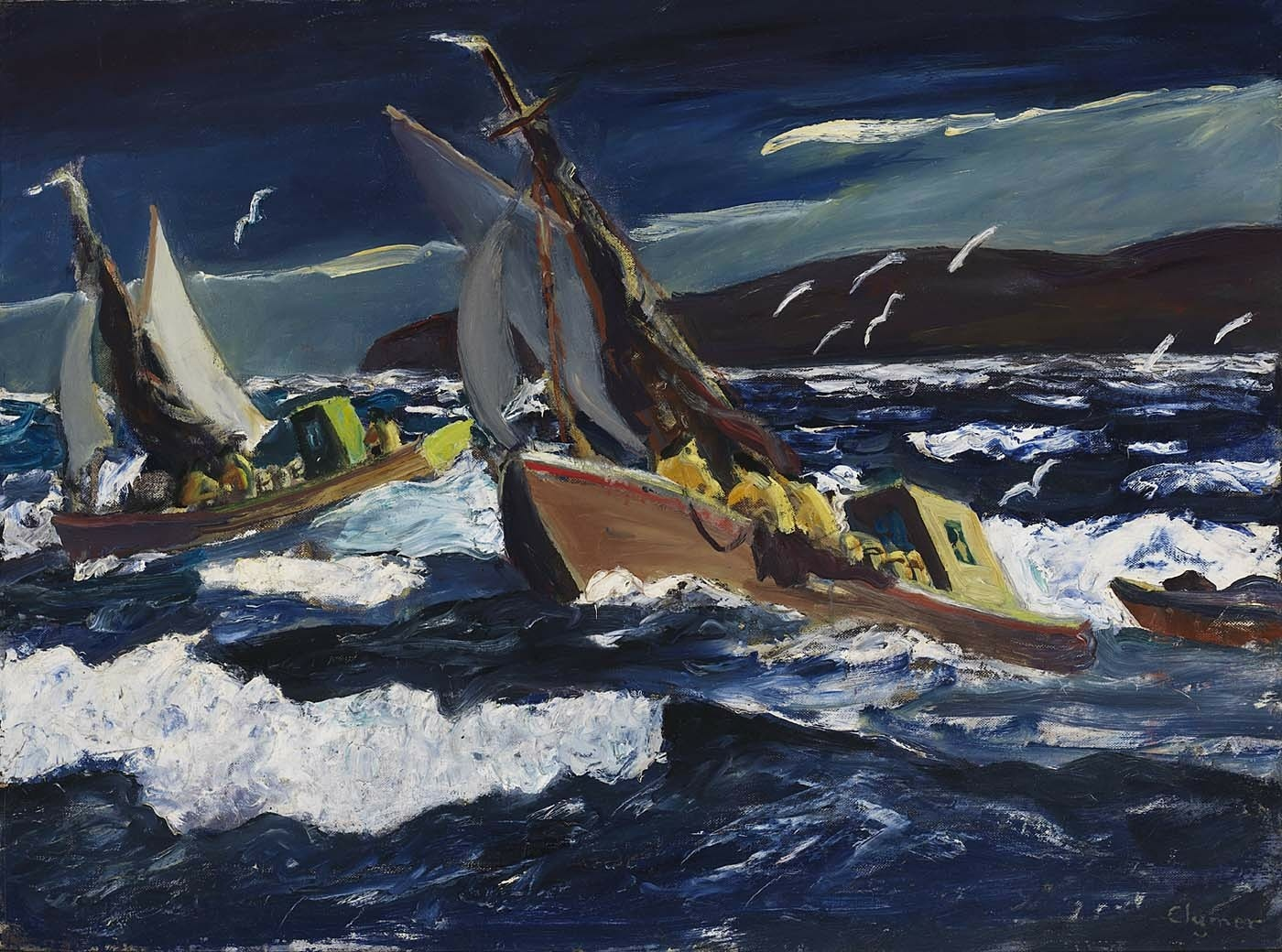
James Floyd Clymer

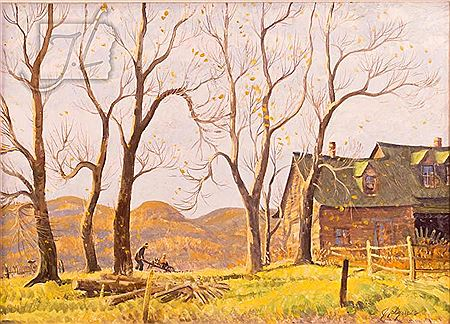
“James Floyd Clymer (1893 – 1982) known for his Regionalist style of land, sea and cityscapes, created paintings with an emphasis on color and form. His works possess a clear and simple style, easily understood by the masses (stuff that makes sense).

Born in Perkasie, Pennsylvania, 20 miles north of Philadelphia, Clymer was the youngest of seven children. Losing his mother during childbirth, he was raised by his eldest sister. He attended Drexel University in Philadelphia, studying Art and Architecture and worked as an Architect in the years following World War I.” – Julie Heller Gallery

Isn’t that funny, “easily understood by the masses“! That is so true. It makes for an interesting discussion. Using the McDonald’s hamburger as an analogy, I had the best hamburger in the world about 35 years ago in a truck stop just north of Kansas City. Does that mean I’d never want a McDonald’s hamburger again? No of course not. But it is an acknowledgement that they don’t make the best one. Is the Clymer the best painter in the world? Probably not, but I still like him.

John Lodge

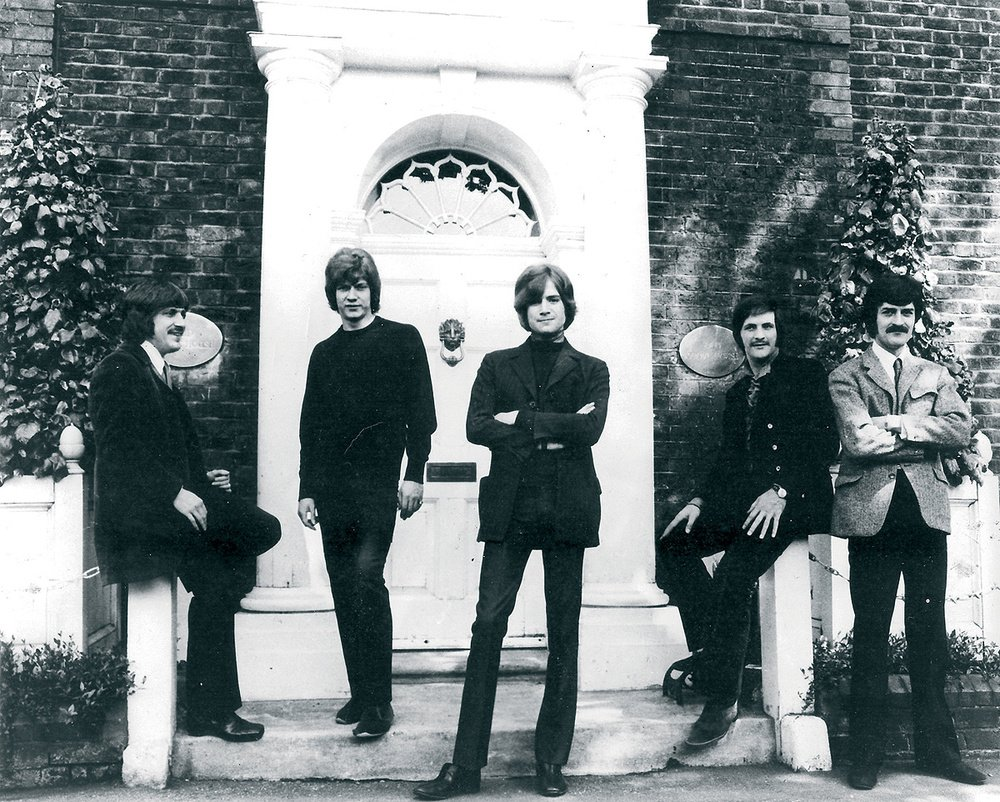
Graeme Edge, John Lodge, Justin Hayward, Mike Pinder, Ray Thomas

I was just a kid when the Moody Blues were blowing up the charts in the 60’s. By the early 70’s they were already legend. Some super groups like Three Dog Night self destruct, which accounts for their breakups. Others like the Moody Blues reached such staggering heights that there was no way they were going to be able to sustain it. Kind of a situation where stuff that would be great for other bands just seemed kind of subpar. Think Paul McCartney Beetles, Paul McCartney Wings.

I had to a degree forgotten all about the Moody Blues maybe 10 years ago when I ran across the song below (‘Steppin’ In A Slide Zone’ – 1978). This is like 10 years after their string of hits (’66 – ’72), like ‘I’m Just A Singer In A Rock n Roll Band!‘. Its all very similar to what the group Chicago went through. They had their phenomenal/otherworldly success about the same time as Moody, then they just kind of faded off. It’s like people can tire of steak and lobster every night. And they go back to McDonald’s.

But in the video below (Slide Zone) John Lodge is singing lead. Justin Hayward usually sang lead. Not knowing anything about how musical groups work, I always found the group dynamics very interesting. A lot of times ego just shatters the biggest money trains and you wonder, “Couldn’t they have just sucked it up? For the bucks?” Rock publications always refer to the lead singer as “the front man”. Sometimes the wrong guy gets tagged for the breakup.

I remember when Eddie Van Halen died, it finally came out he was the problem, not David Lee Roth. When Three Dog Night broke up I assumed it was the egos from having 3 lead singers. No, it was Chuck Negron being a heroin addict. Or Carl Wilson being a fine singer, but being completely overshadowed by Mike Love and Brian Wilson. But I find it amazing the Moody Blues have held it together for the better part of 55 years. That’s a long time. I’ve just always wondered how the “second fiddle” handles it. Like in Lodge’s case, an incredibly talented singer, song writer and musician.

“Lodge has been married to his wife, Kirsten, since 10 September 1968, and they are the parents of two grown children. Their first child, a daughter named Emily, was born in 1970; Lodge wrote “Emily’s Song” for the 1971 Moody Blues album, Every Good Boy Deserves Favour. His son Kristian was born two years later. Lodge has spoken on several occasions about being an Evangelical Christian, and credits his faith with preventing him from sinking into the more dangerous elements of the rock music business. Lodge is a supporter of Birmingham City F.C.” – Wikipedia

Nebraska Cornhuskers

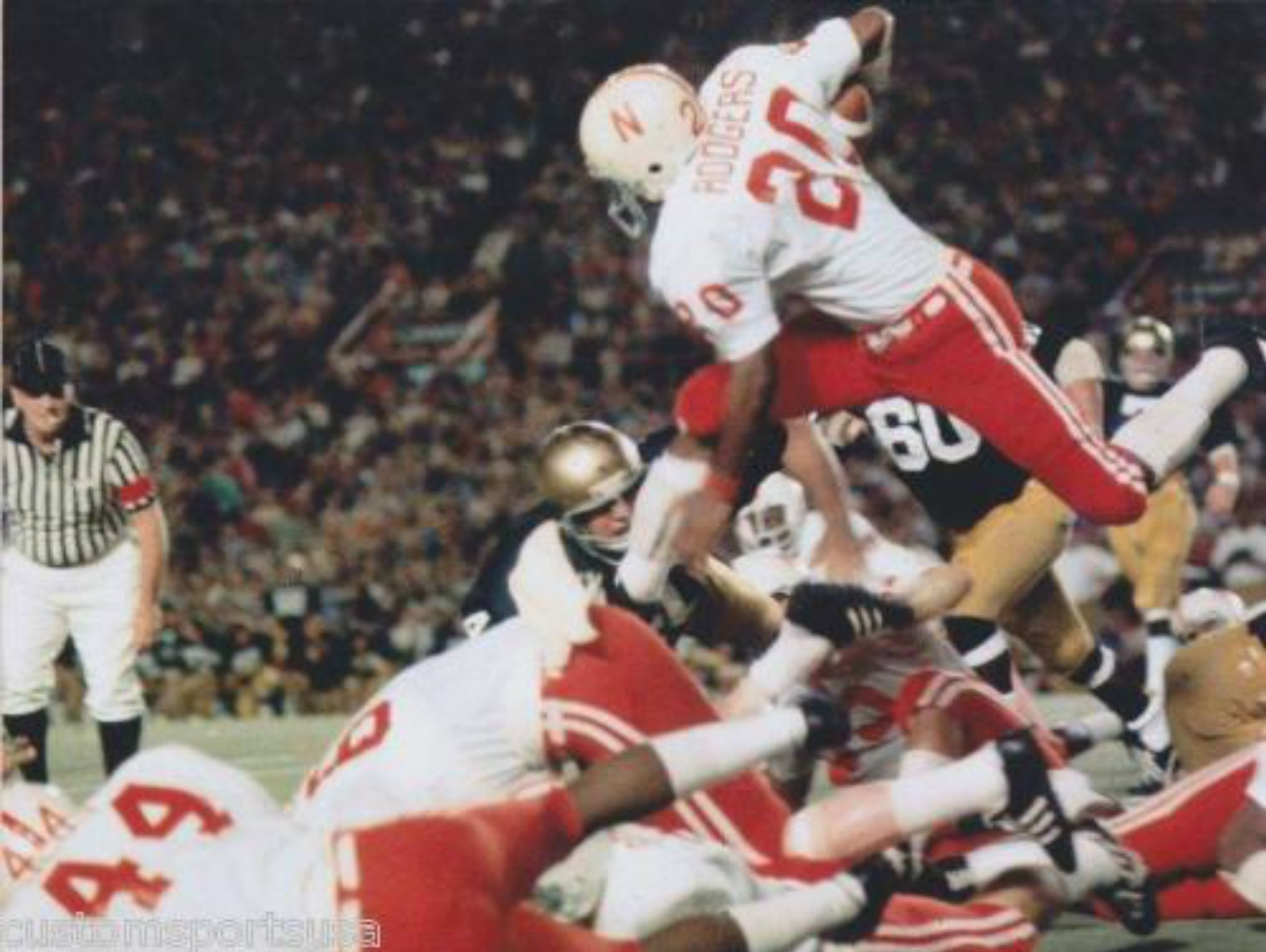
Johnny Rodgers taking it to the bank (circa 1972)

Nebraska football is the guy who 30 years ago was the vice president of the local bank, with a wife, a house and a nice car. Then alcohol got the best of him, and now he pushes a shopping cart collecting pop bottles for smokes and sleeps in a cardboard box. He points across the street and tells people at the bus stop, “I used to run that bank!” (shakes his fist) He shuffles off with his head down, muttering about aliens, “grays” and the Federal Reserve.

The Land of Lincoln (NE)

[9/11/22 update: Nebraska fires Scott Frost after stunning loss to Georgia Southern]

Hickory Wood Farm

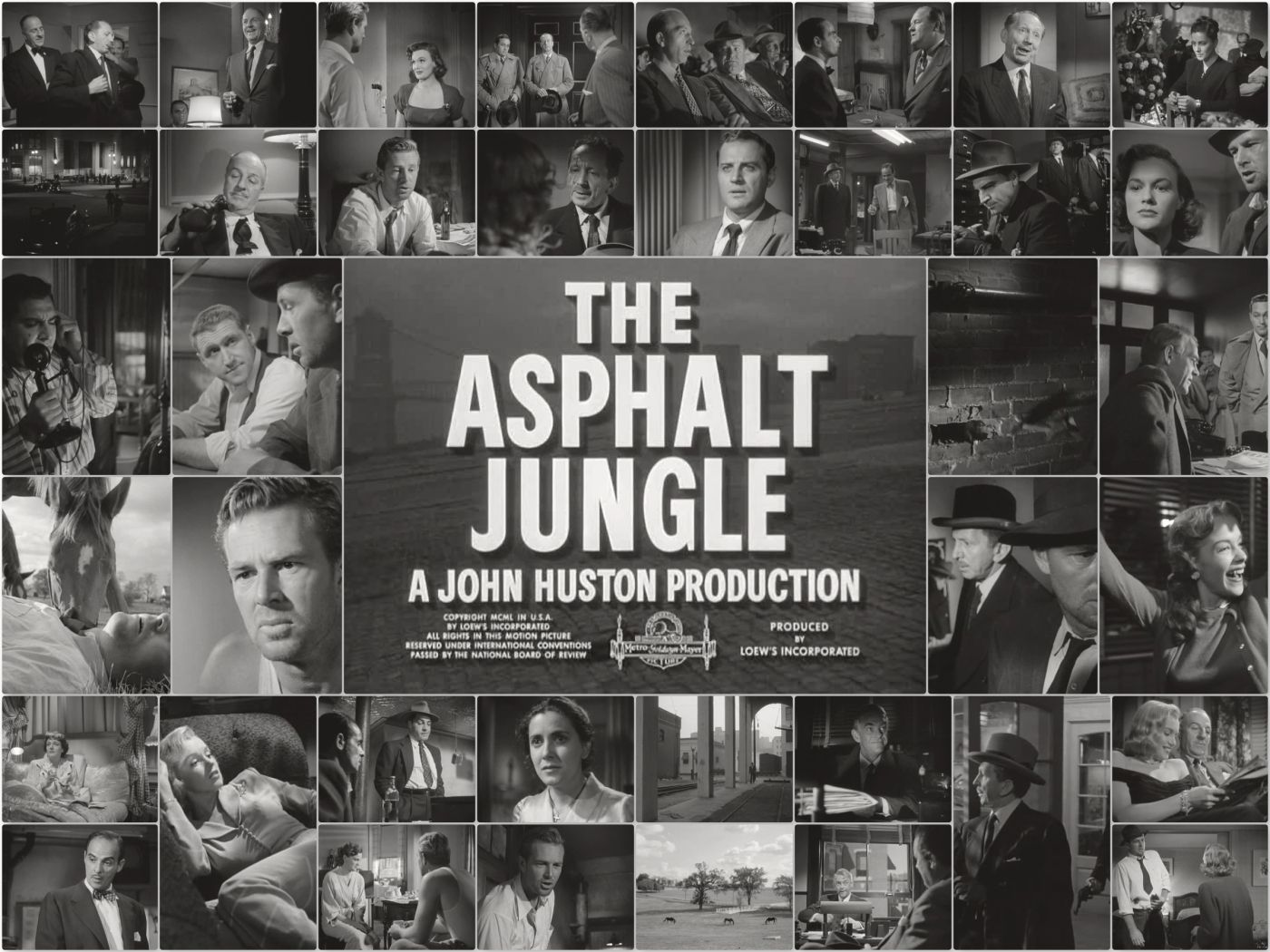
The Asphalt Jungle

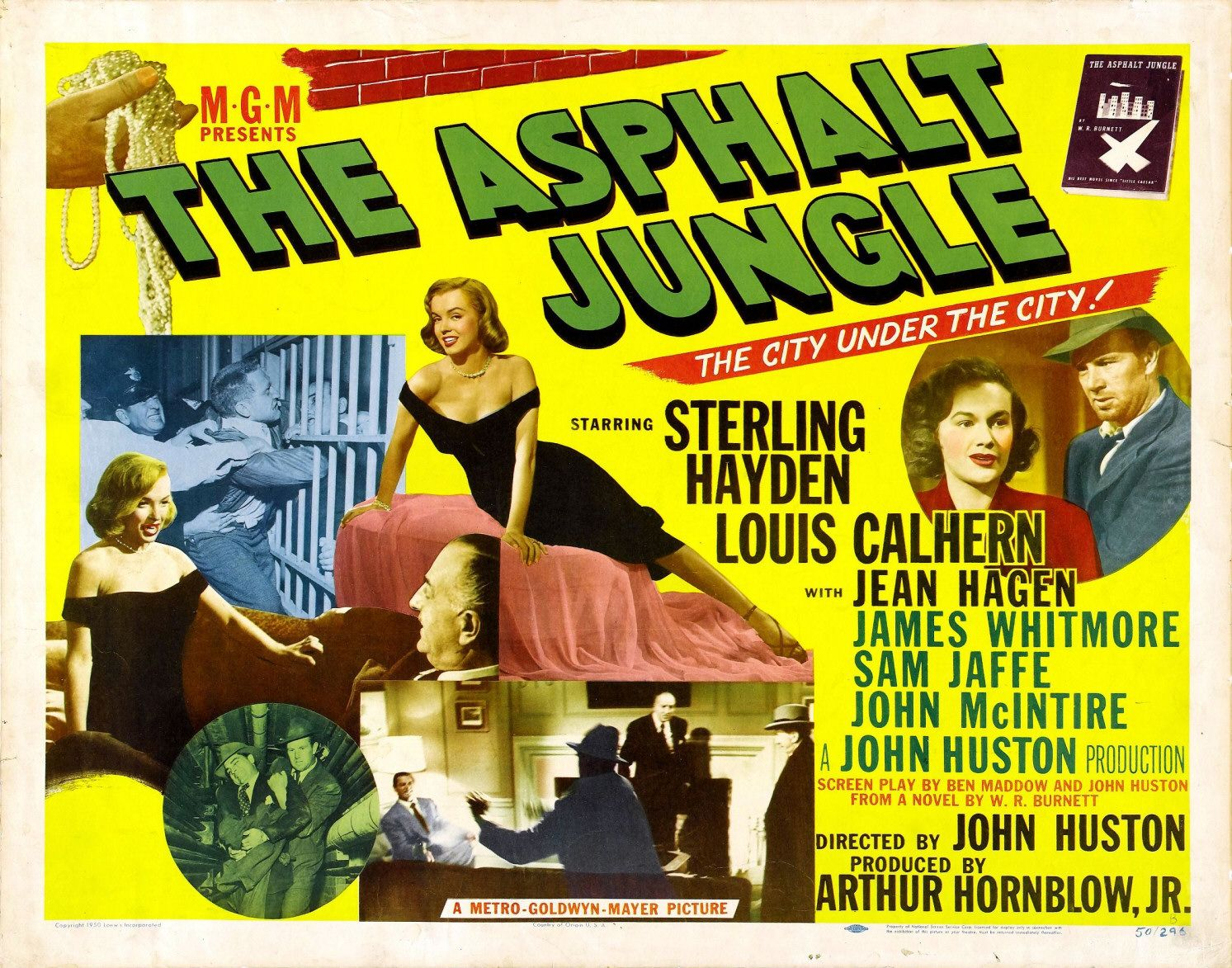
TCM sure loves this classic tale of film noir. Film Site dot org has a real good recap of it, a lot of it actual script dialog. The ‘big jewel heist’ movie. The “plan” was going so well too (as well as grand larceny goes), until they were leaving the bank. A copper surprises them and drops his gun when their muscle (Sterling Hayden) punches him out. The gun goes off and nails Anthony Caruso. Things start to fall apart after that like flood water chipping away at a berm.

As each part of the gang is exposed, its on their own particular weaknesses that doom them. Sam Jaffe’s weakness for young women keeps him at the cafe too long or he could have gotten away to Cleveland. Marc Lawrence’s ‘Cobby’ is a weakling afraid of violence so he confesses to the cop. A somewhat lovable Louis Calhern’s weakness is Marilyn Monroe. She had put his finances in the dumpster and made him vulnerable to participating in the theft.

Filmed in Cincinnati, it makes sense Jaffe tries to escape to Cleveland, and Hayden makes the last ditch run to Kentucky (1 hour 33 minutes). That’s become my favorite part of the movie. Sterling had been shot in the right-side of his abdomen during the double cross with the lawyer. He keeps refusing treatment as his condition gets worse and worse.

He had been telling ‘Doll’ (Jean Hagen) the entire movie about his idyllic childhood on the horse farm in Kentucky, and that everything will be alright (gut shot and dying) if they can just make it there! Speeding there on the beautiful two-lane of southern Ohio and Kentucky, the pace becomes more furious as the life force ebbs out of Hayden.

The car screeches to a halt at the gate to the horse farm (Hickory Wood Farm). He staggers out of the car, past the gate and into the pasture towards the horses as Jean Hagen screeches, “Dix! Dix!” He gets within a few feet of the new colts as he collapses to the ground, they run up to him, nuzzling him as he dies in the Kentucky bluegrass.

The closing minutes of the film are a great juxtaposition to the rest of the film. It was set primarily in darkness, with a gritty urban backdrop. As we get near his old Kentucky home, the sun rises bright and glorious! The sickness and decay of city life is replaced with the healthy environment that God intended people to live.

Except in this case Dix dies, but other than that.

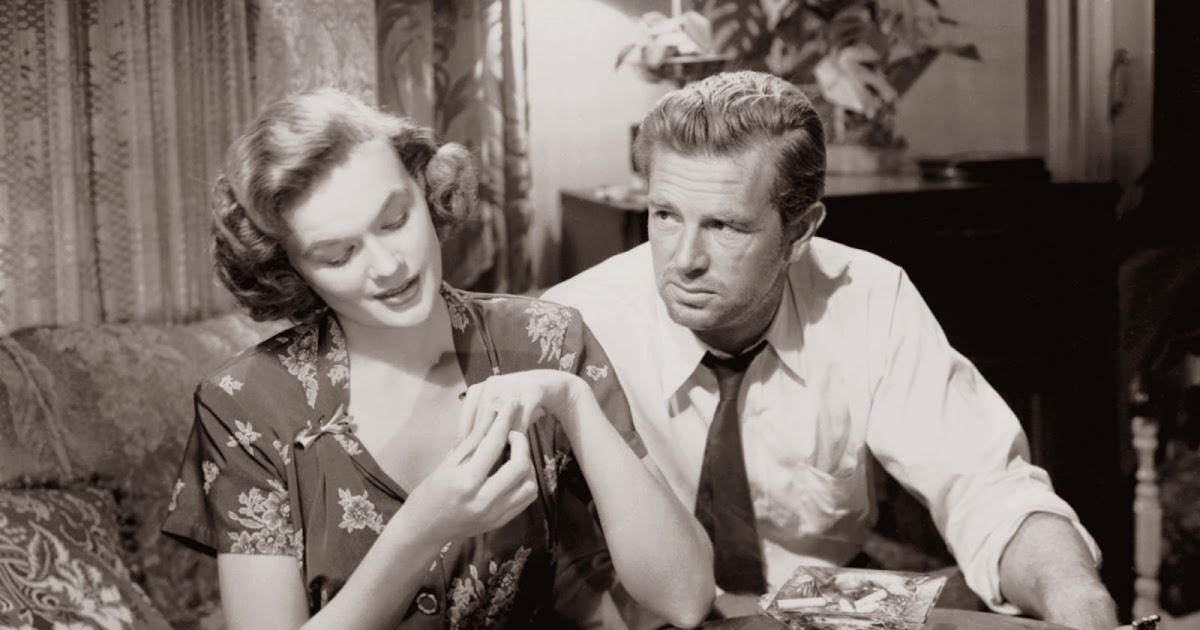
‘Doll’ & ‘Dix’ (Jean Hagen and Sterling Hayden
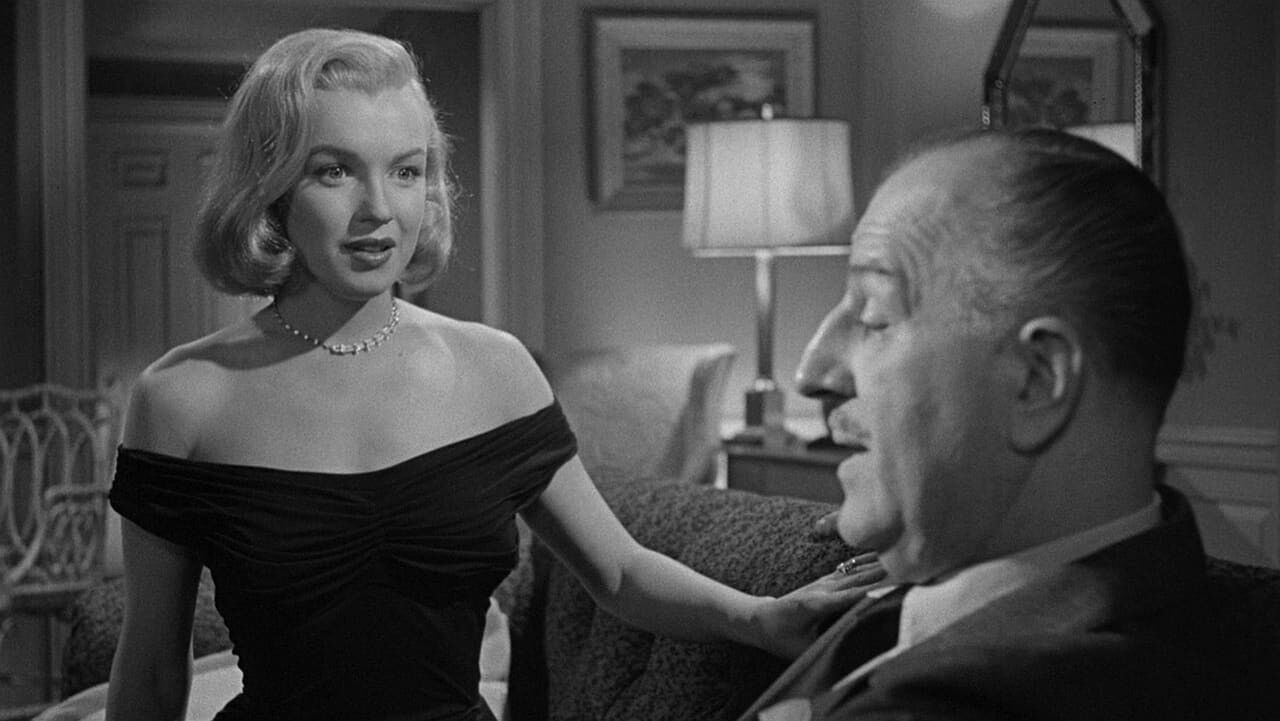
Marilyn and Louis Calhern. 23-yr-old Marilyn was an unknown just starting out.
One of the interesting things about Marilyn was her insecurity as an actress. The next film TCM showed was The Prince and the Showgirl (1957). She’s great in it! Its 7 years after ‘Jungle’ and she is now big time. She was great from the start but never thought she was. One of the Hollywood establishment’s favorites was Joan Crawford, who compared to Marilyn I didn’t think could act her way out of a wet paper bag.

Josef Kote

“Josef Kote is known for Marine and landscape painting, film making. Josef Kote was born in 1964, in the scenic port town of Vlore, Albania, a melange of commercial industry and old world charm. For Kote, an aspiring artist, this setting became the perfect setting with its handsome, bright buildings and coastline.”

I saw this artist in the Gab art group last night and was so impressed. When you look at a small section of his work you ask ‘how did he do that?’ Just to the left of her head is a section of wall, mostly yellow with a bit of orange. How does that work?? A section just above her elbow is blue, red, white & orange, how does that work?? It makes no sense, but it does!

Great poses, color, the faces are wonderful. If this style has a weakness I would say it is the backgrounds. But I love it.

From what I see he loves yellows, reds and mid-blues. And so do I.